
Bringing natural history to life: La Sierra museum celebrates 55 years
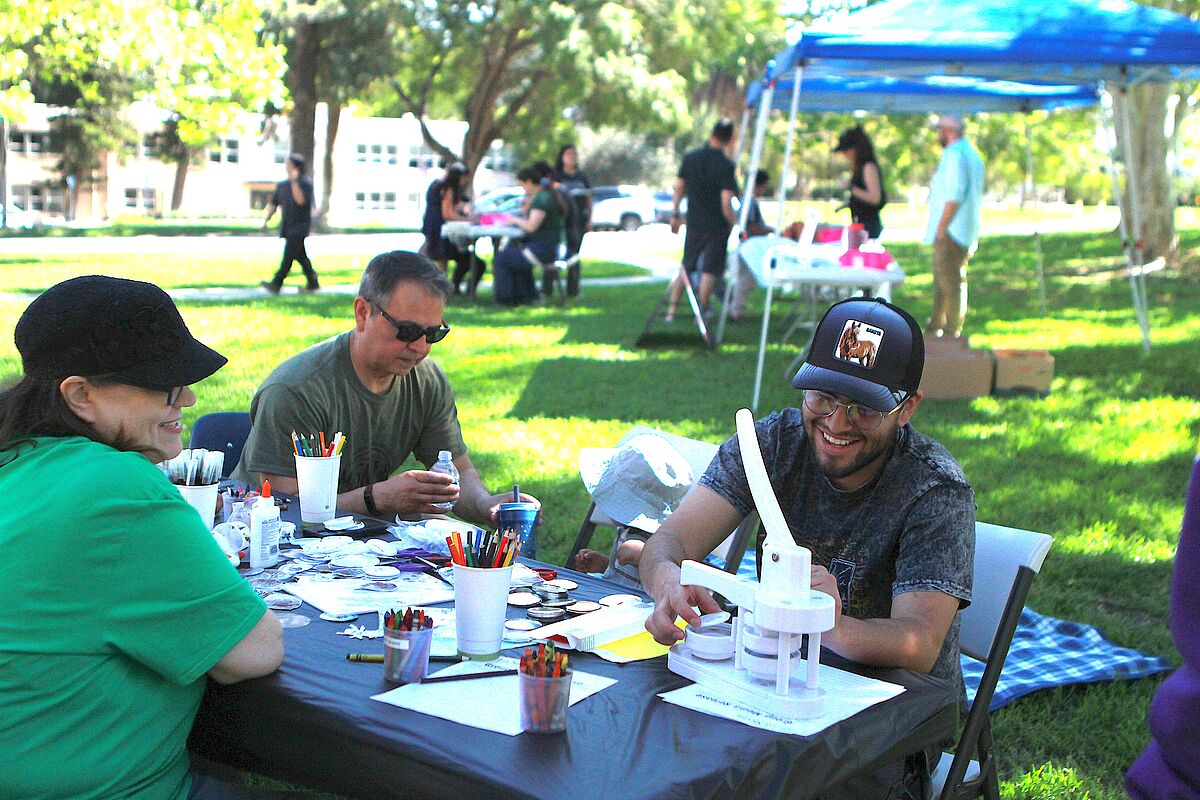
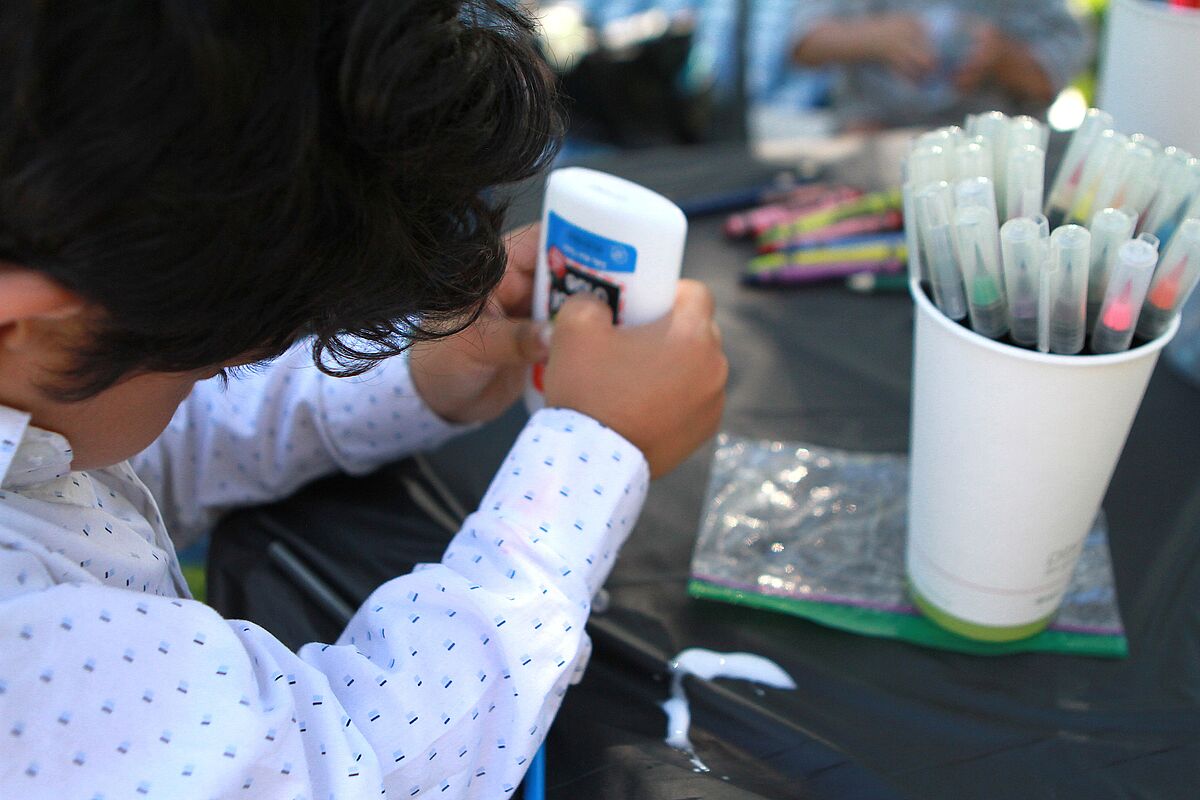
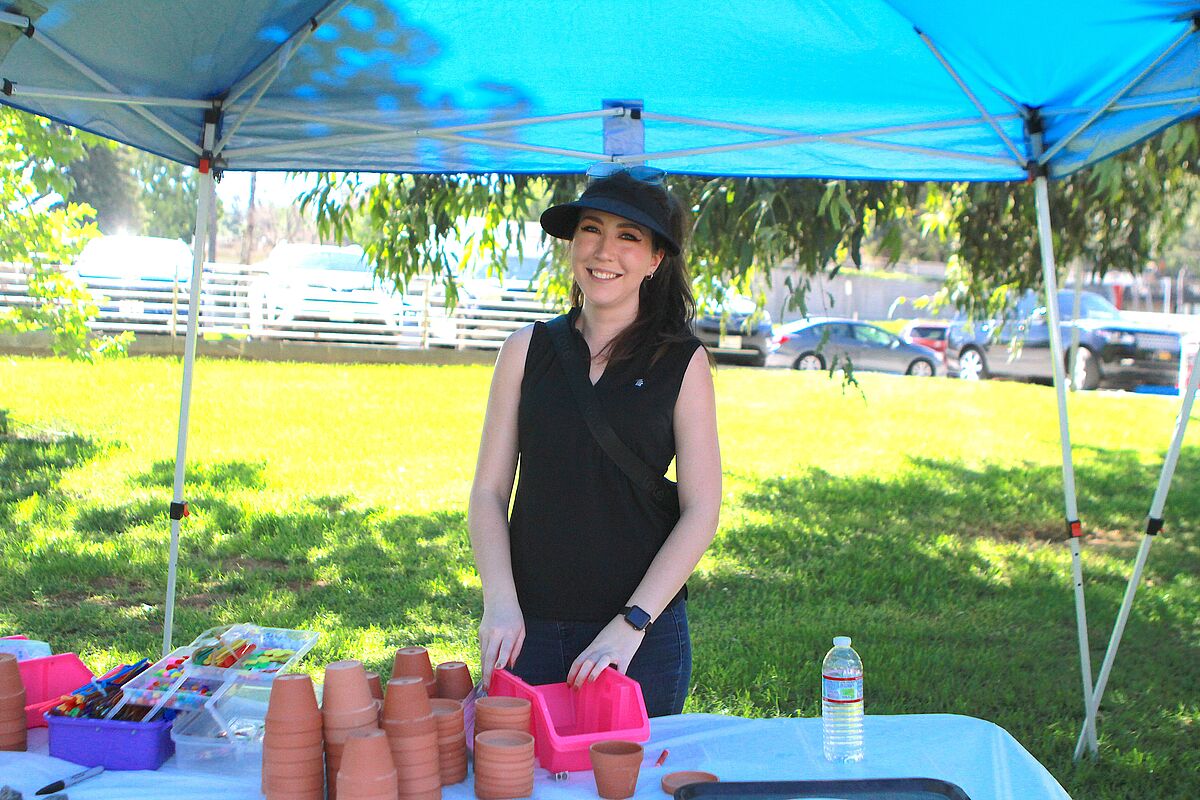
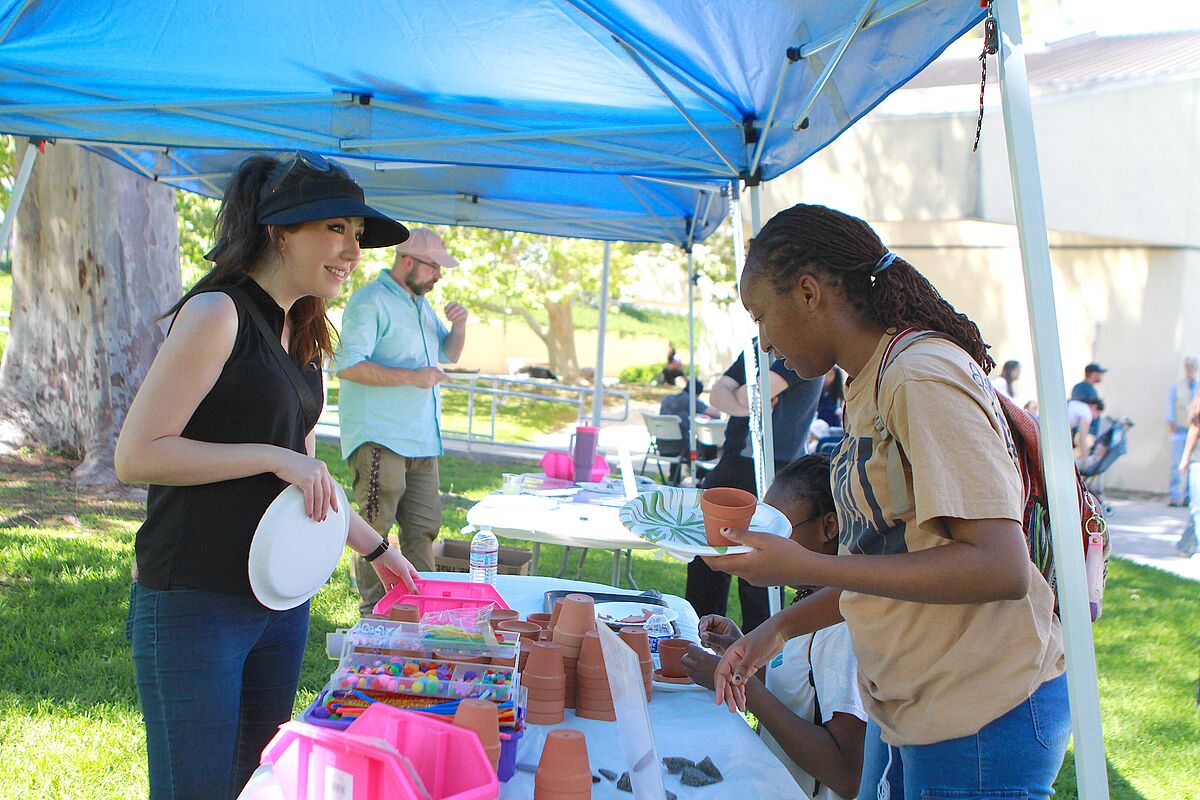
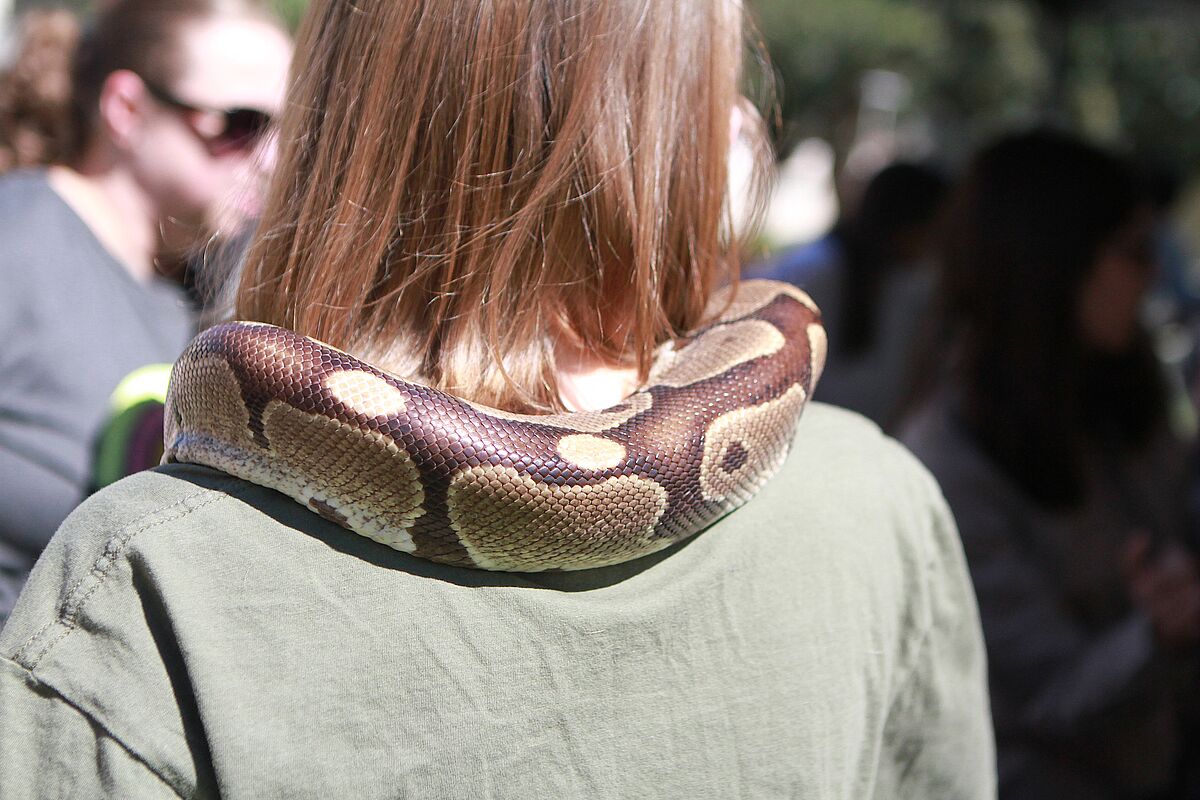
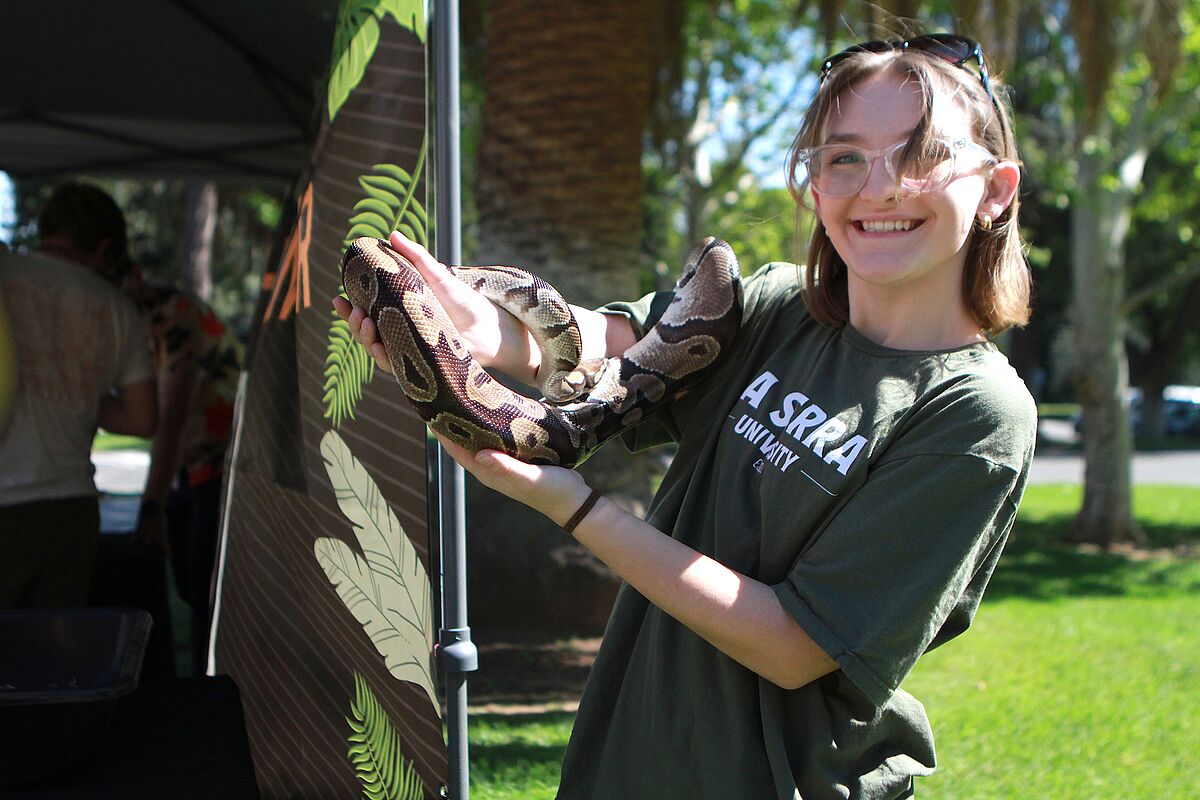
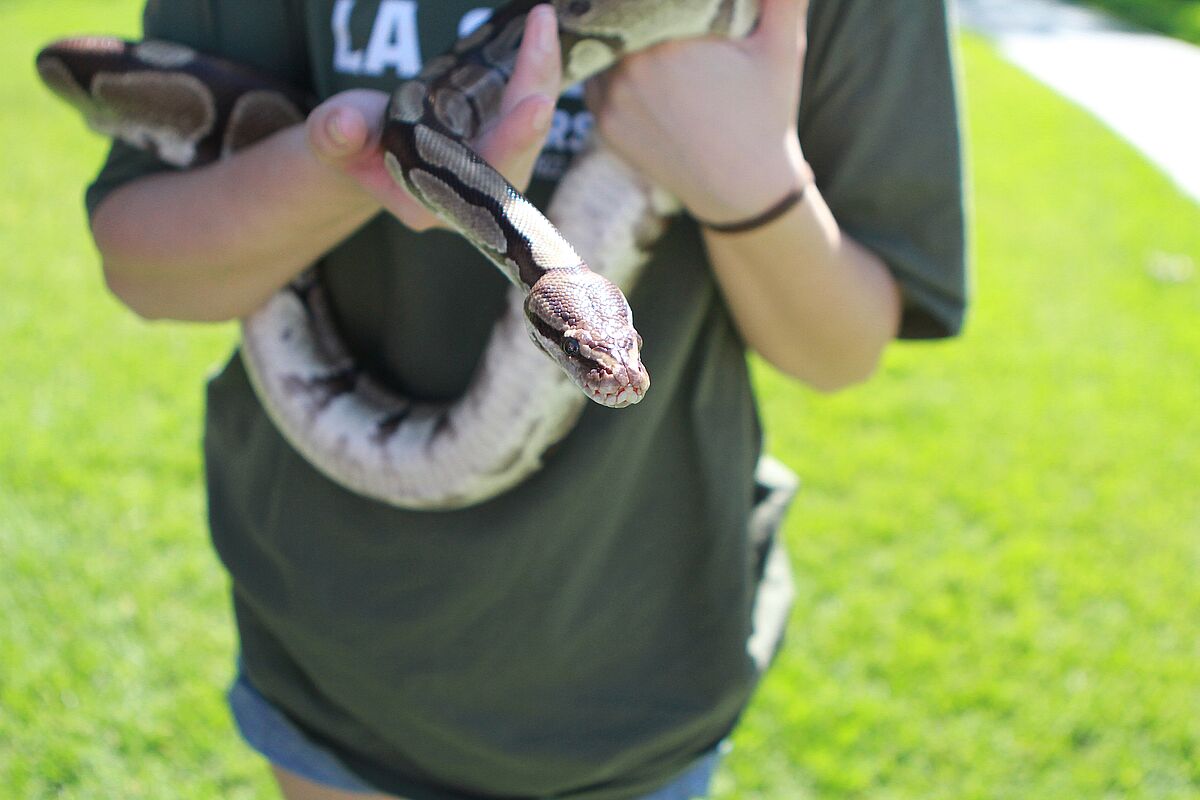
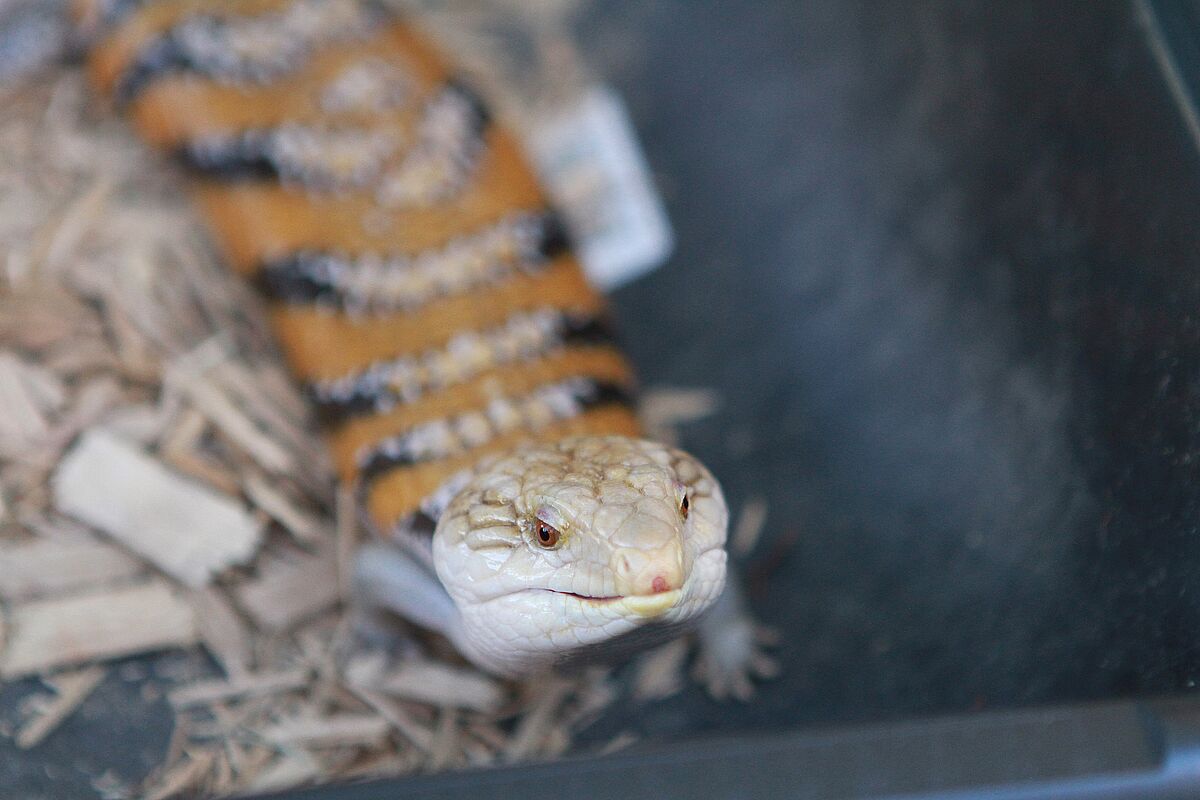
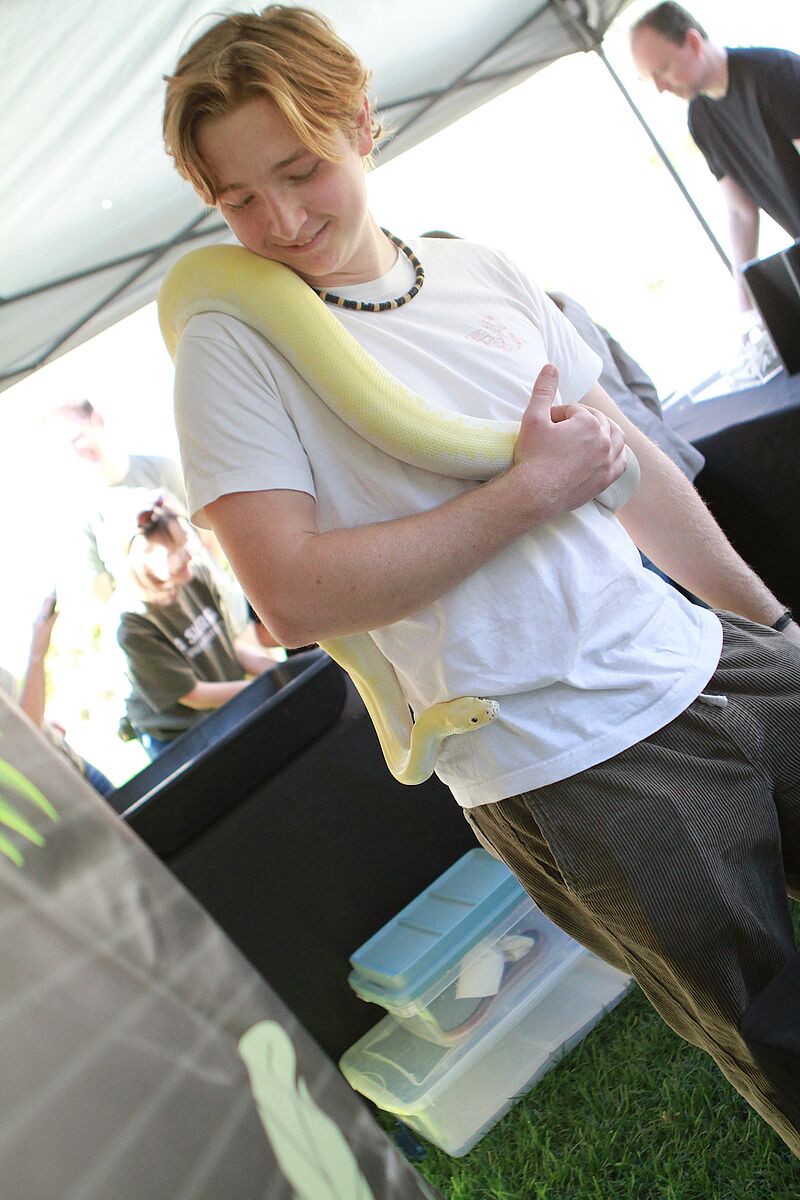
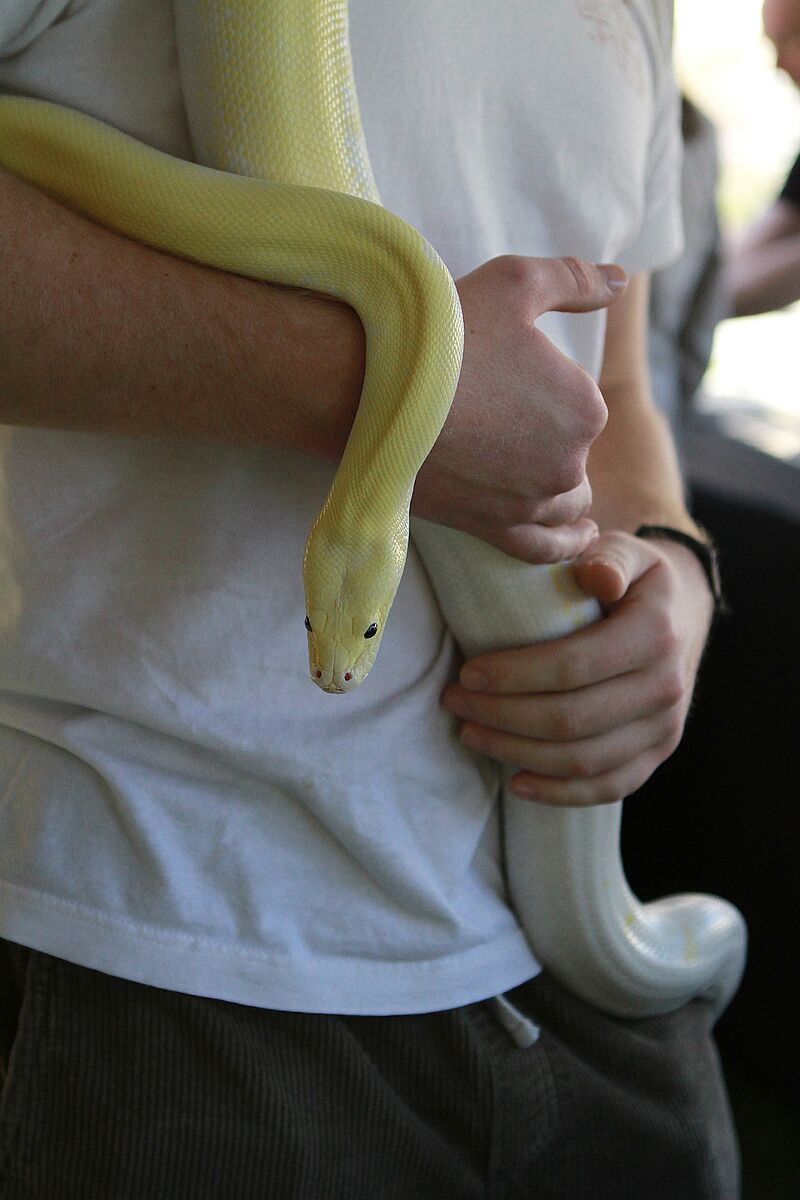
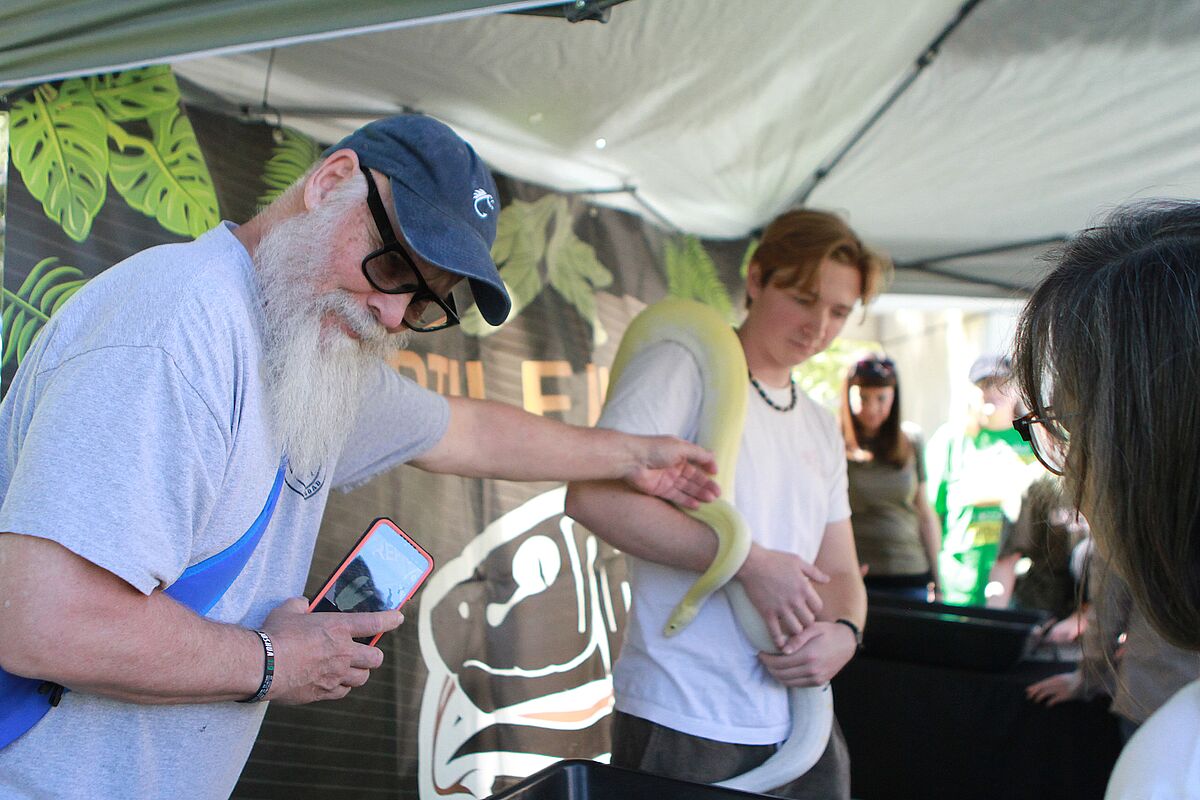
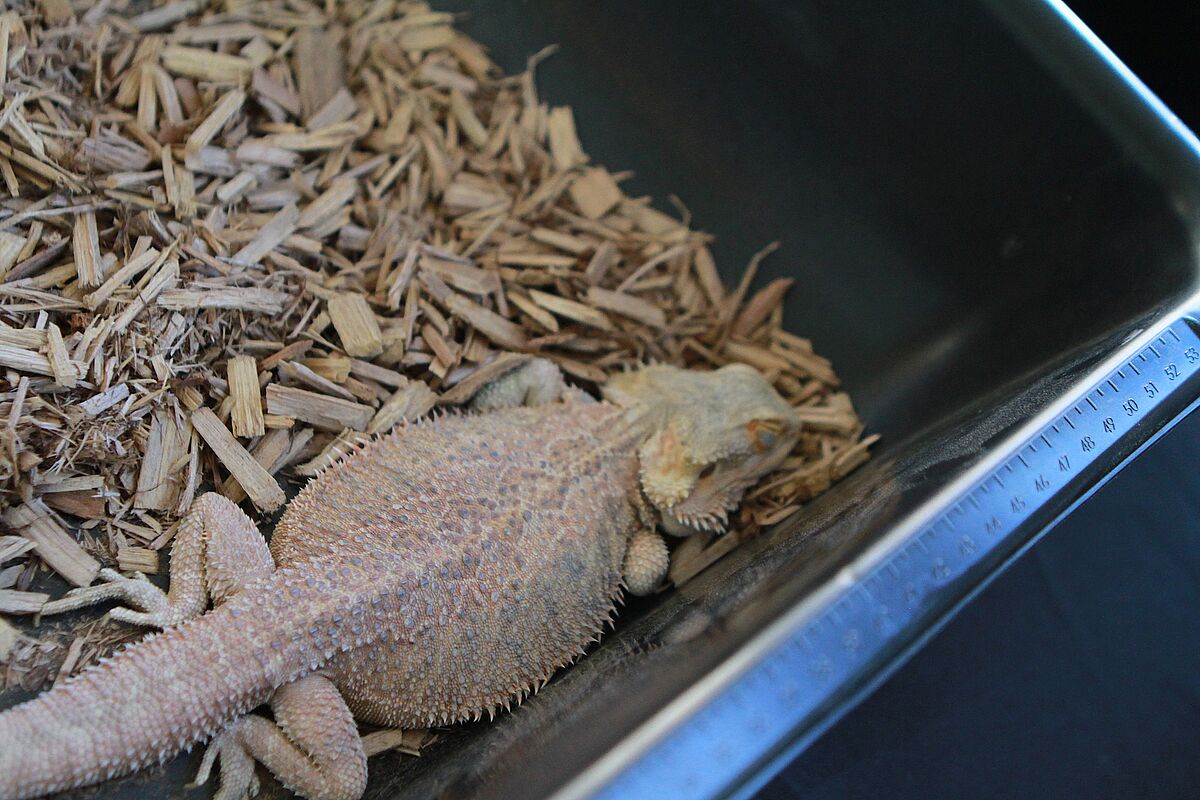
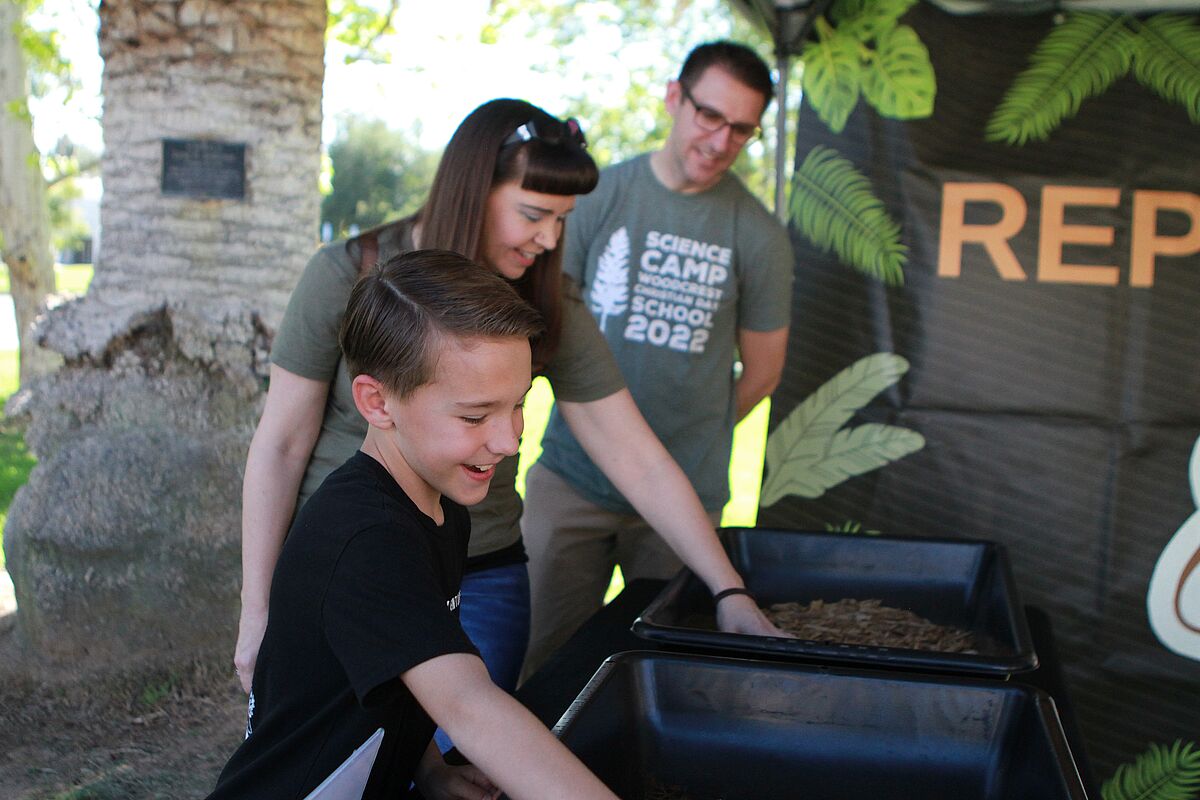
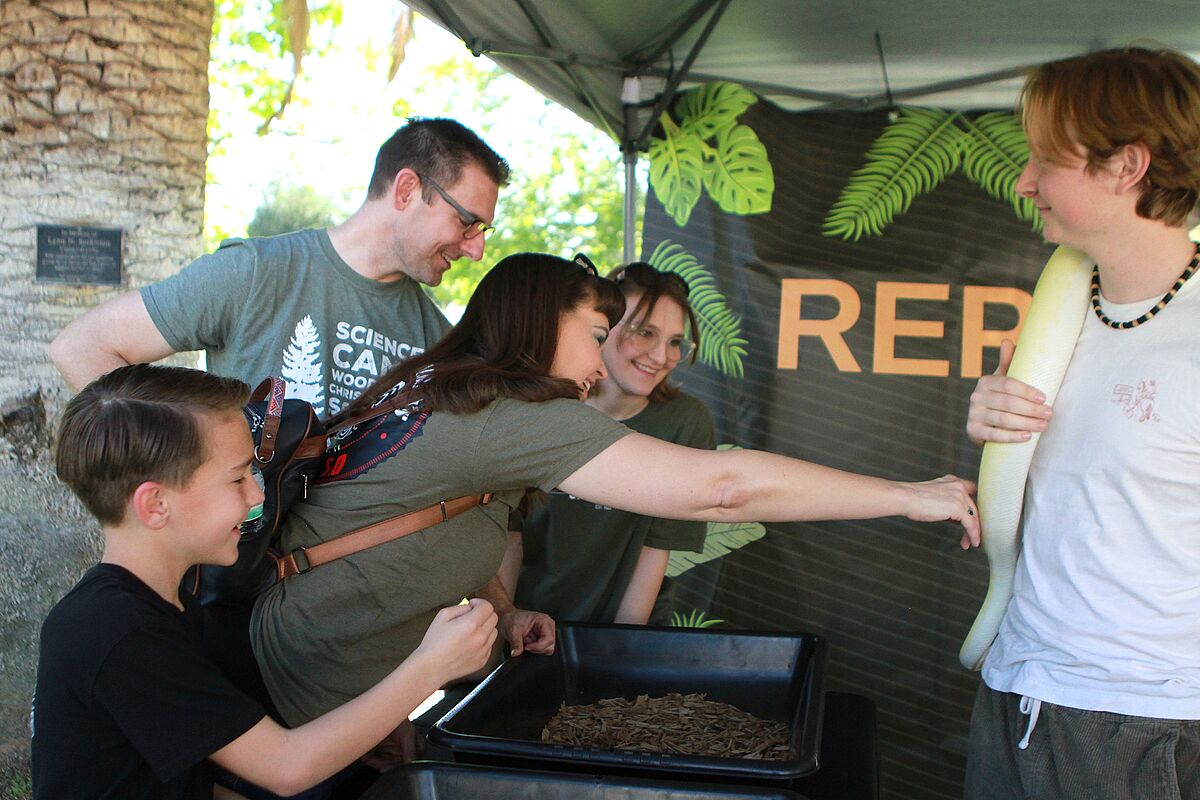
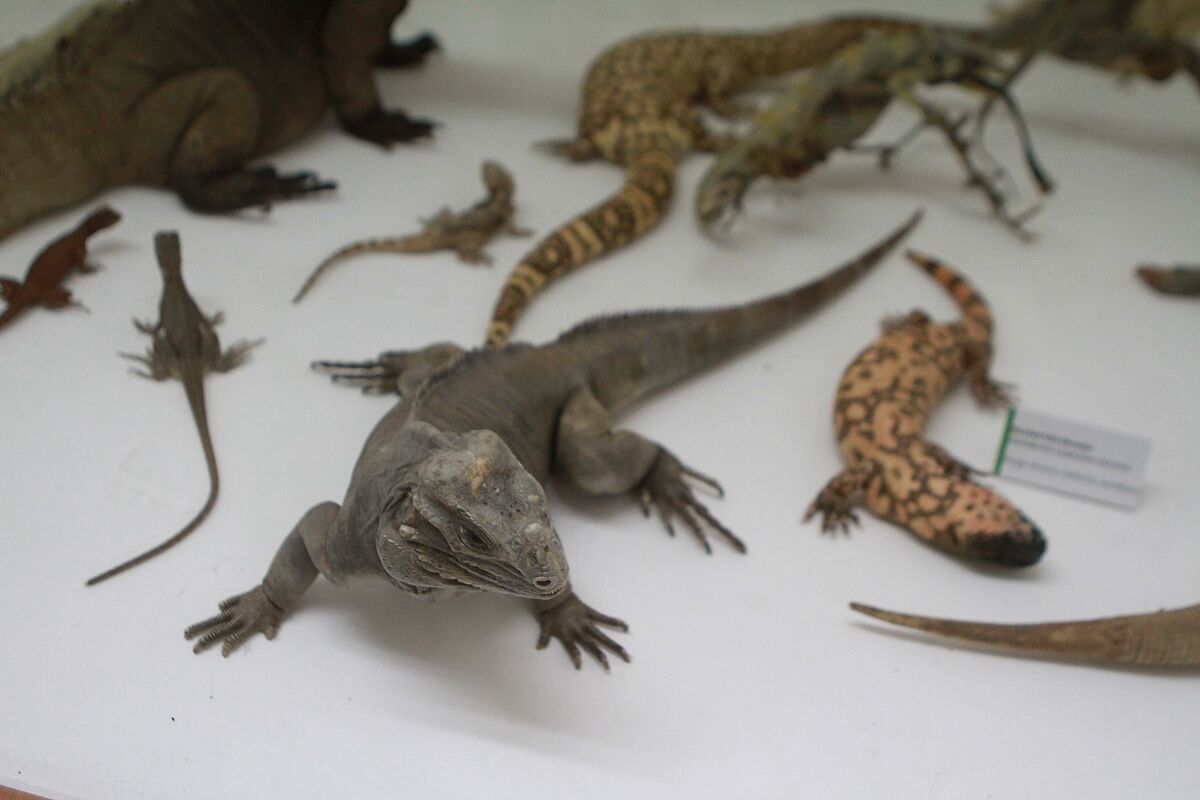
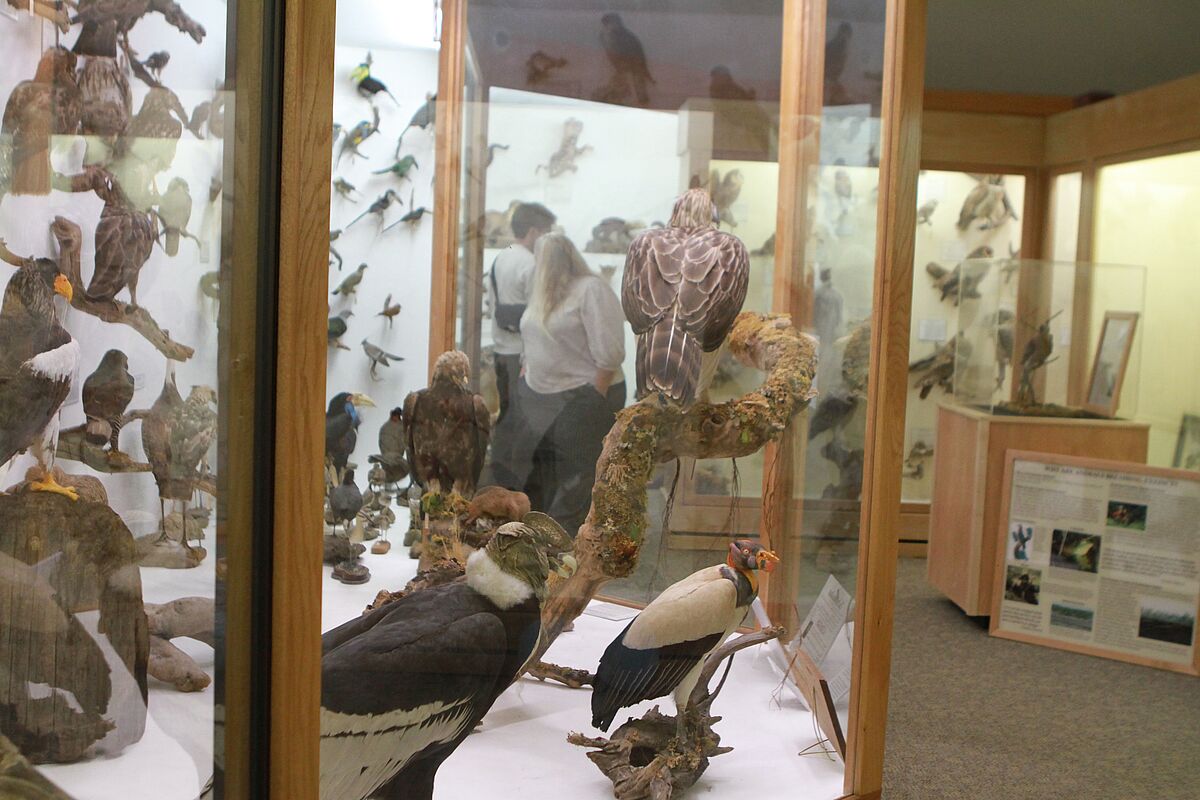
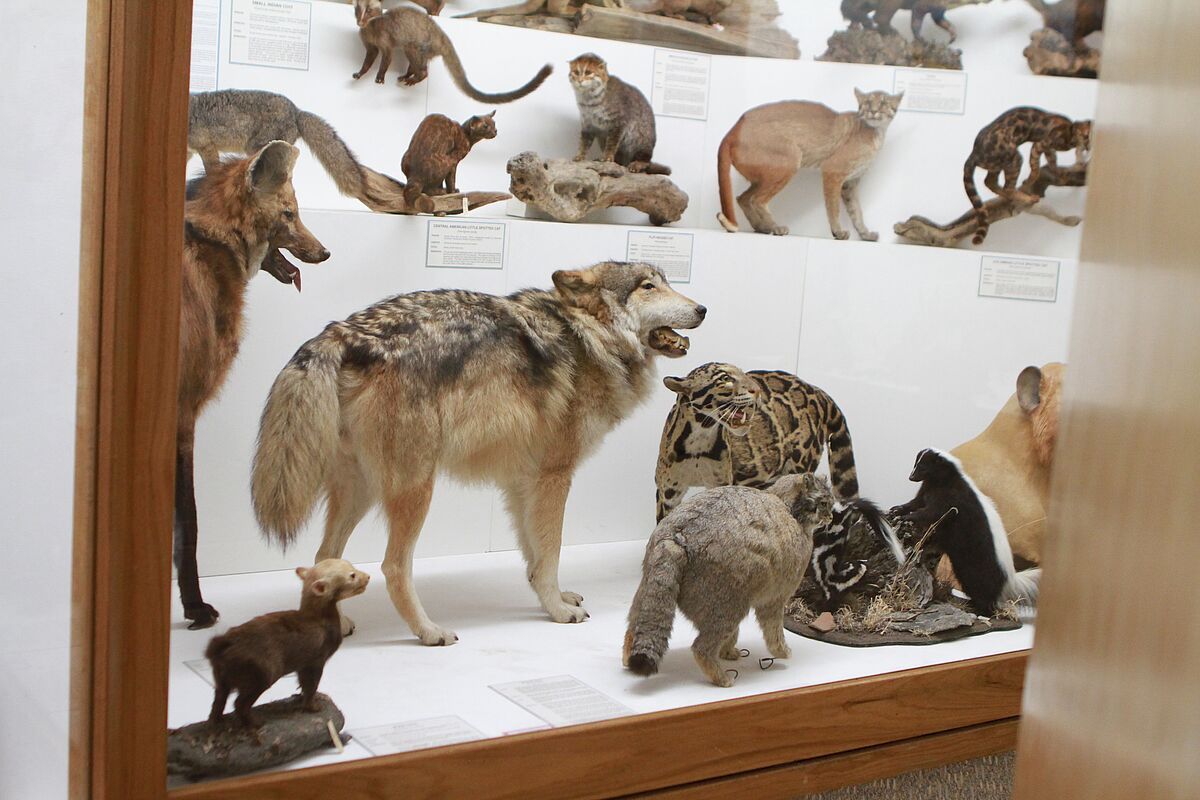
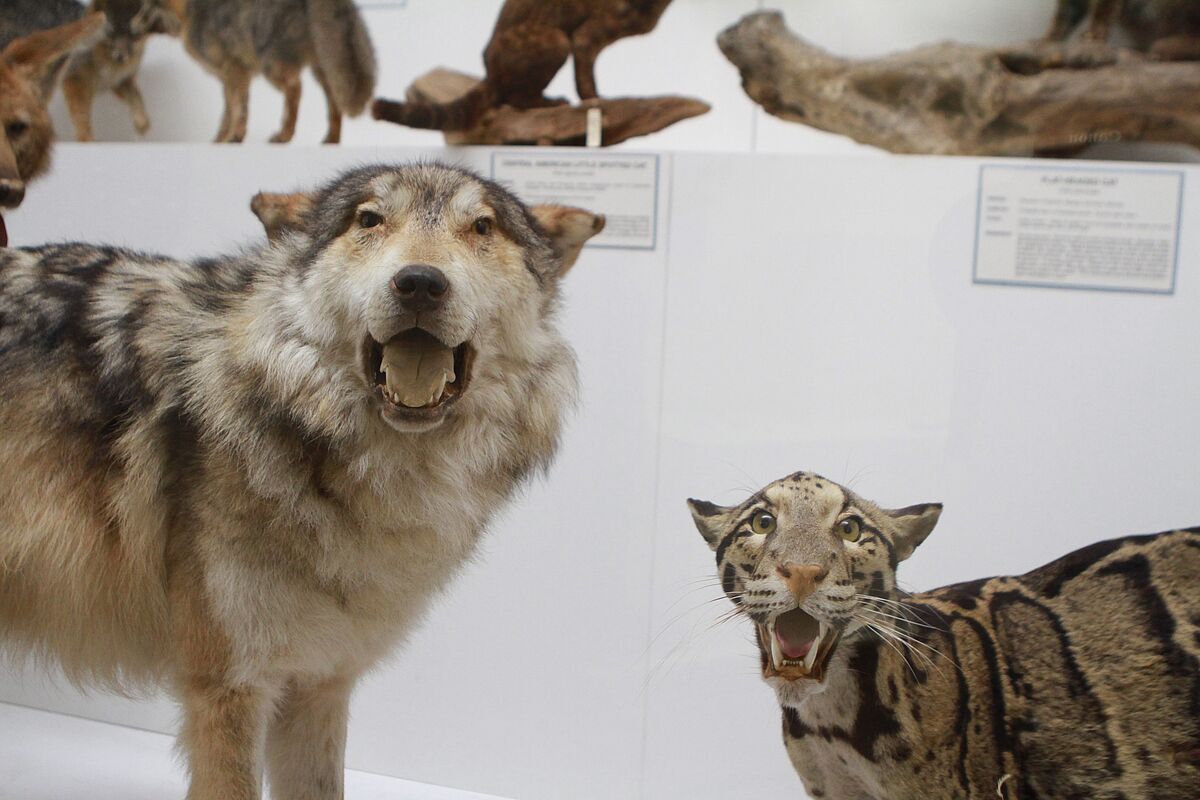
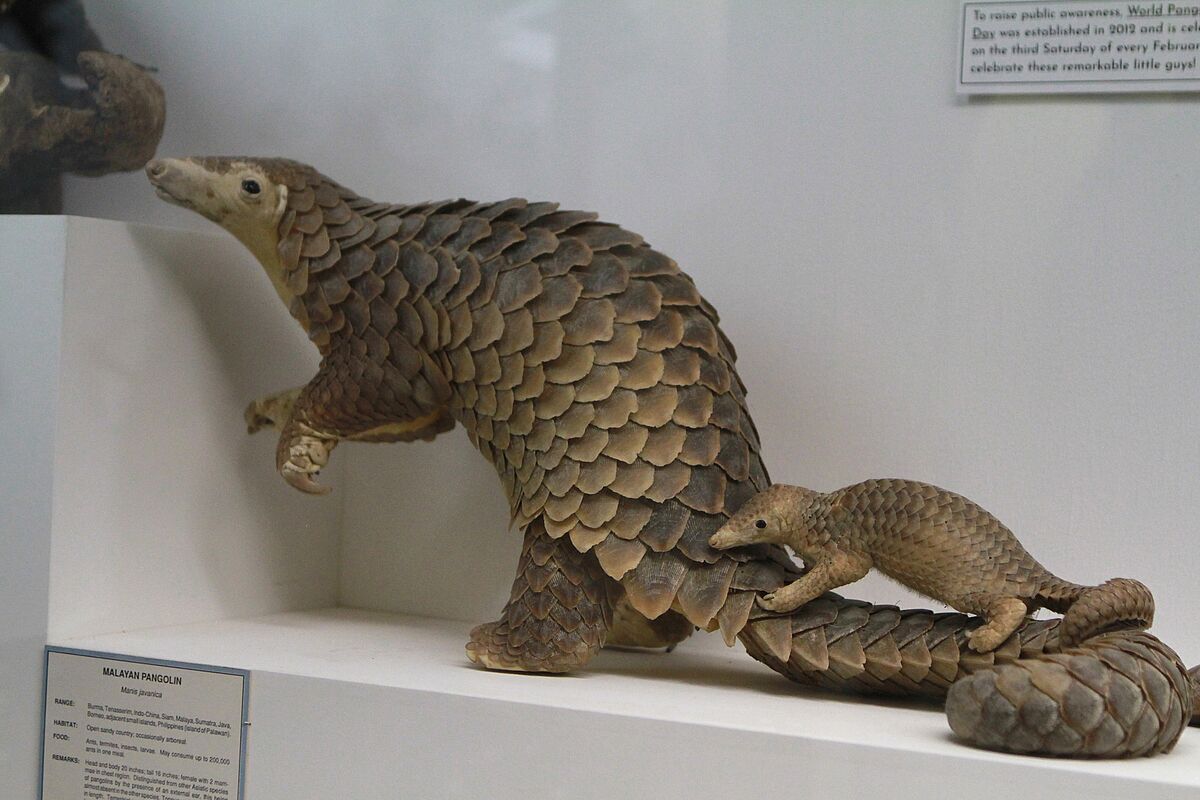
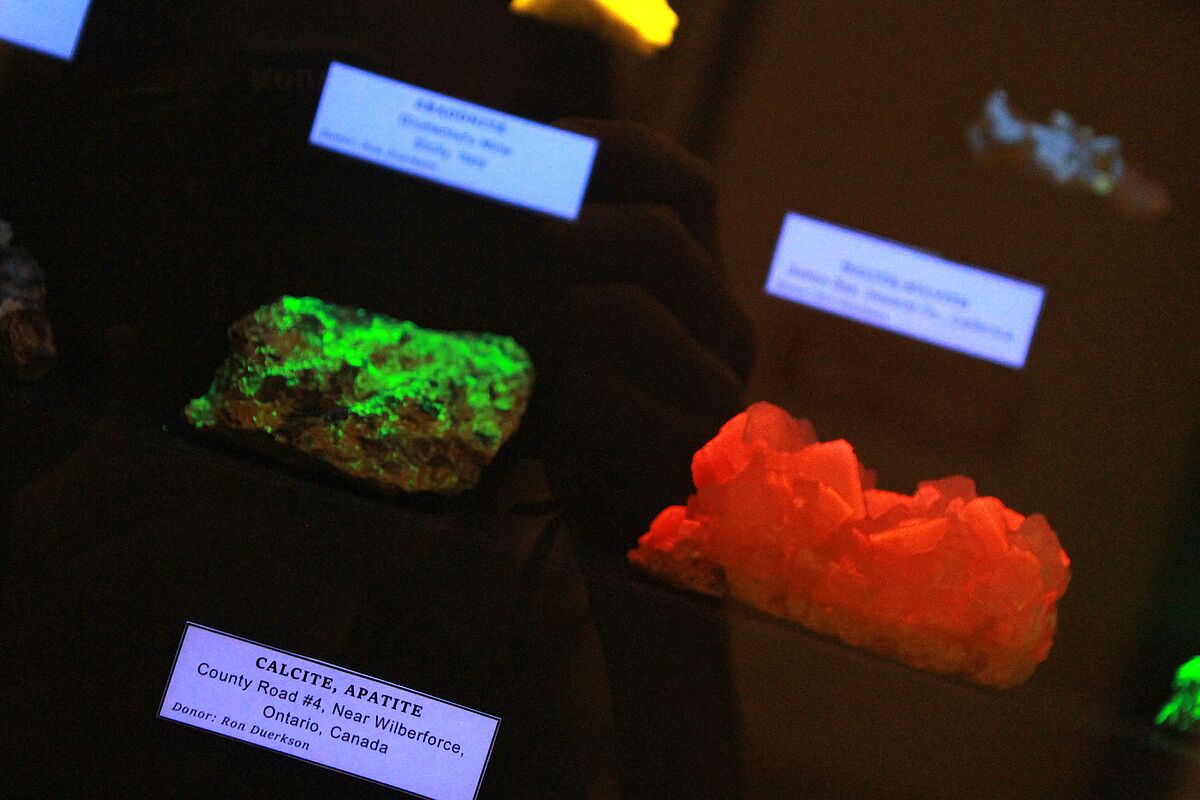
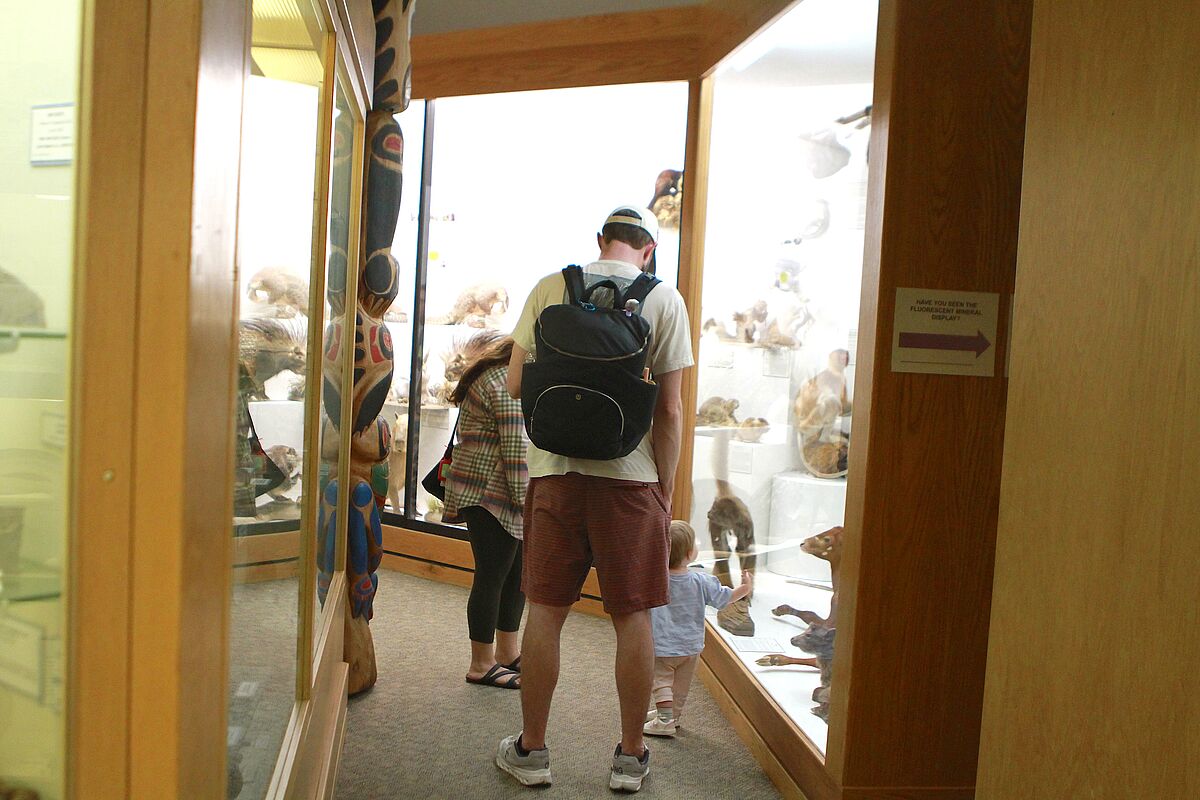
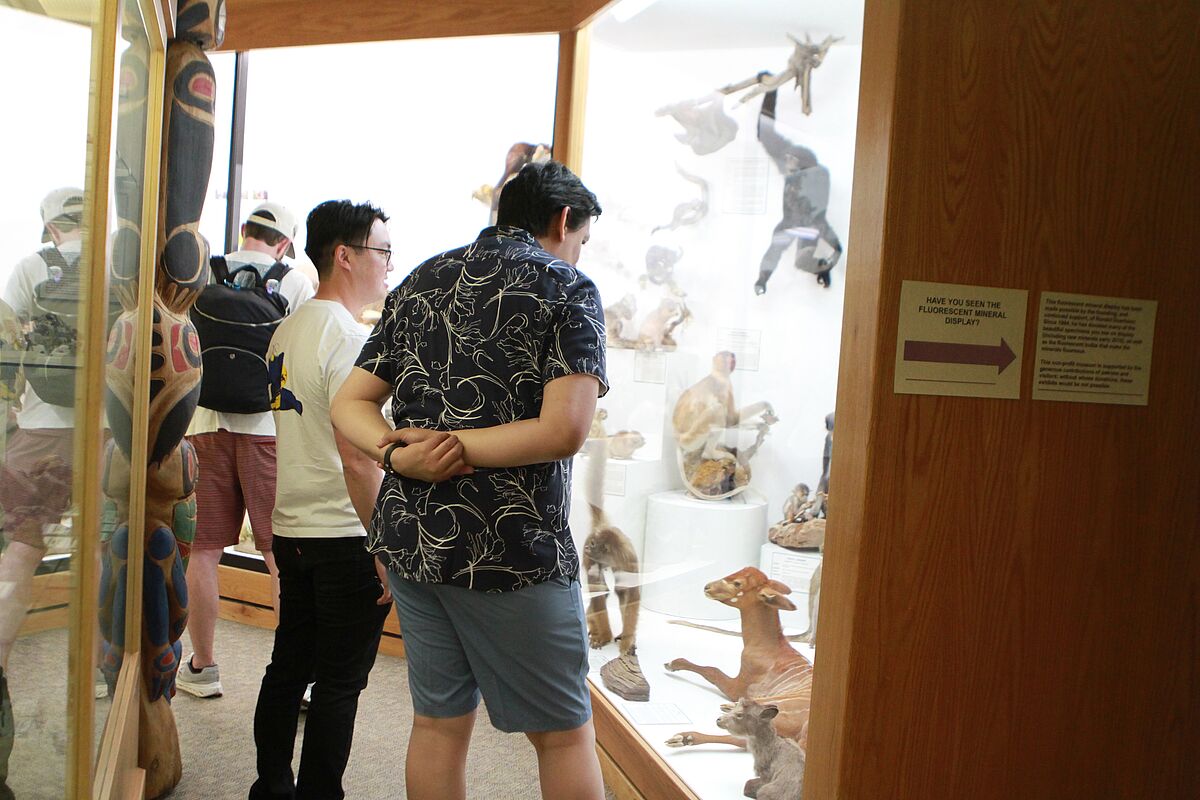
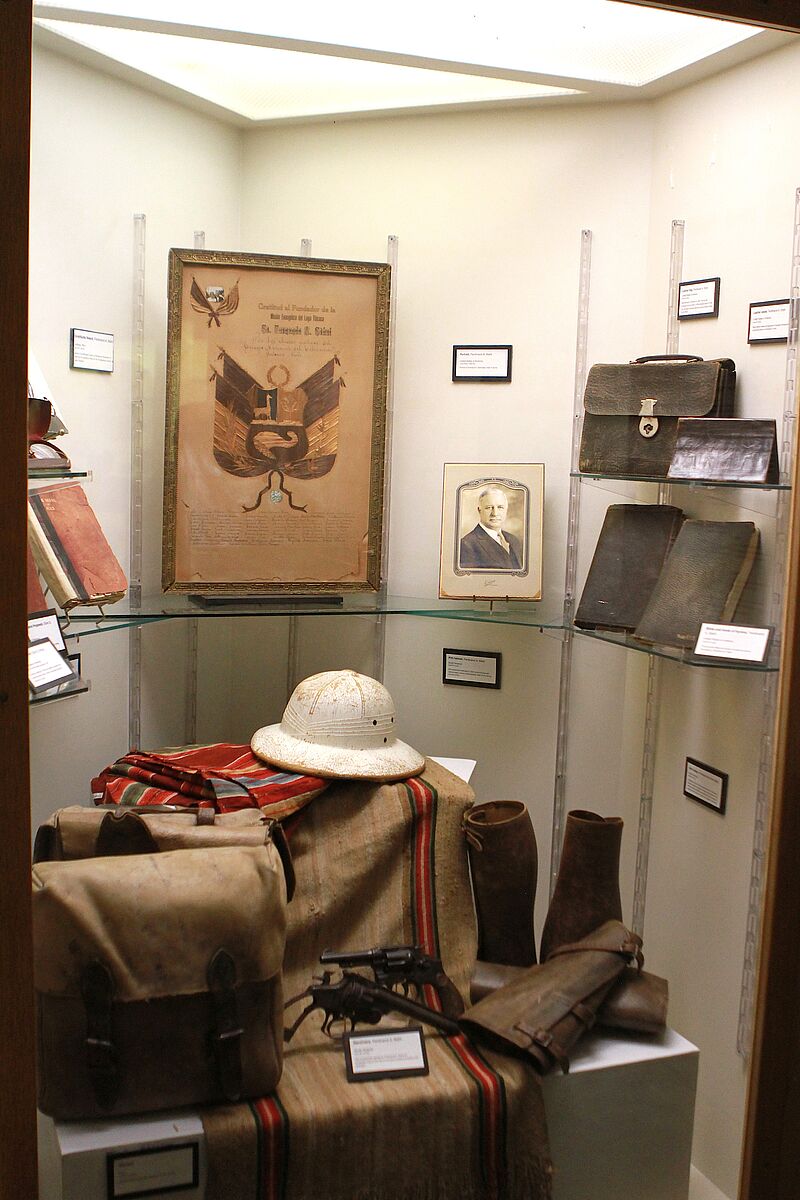
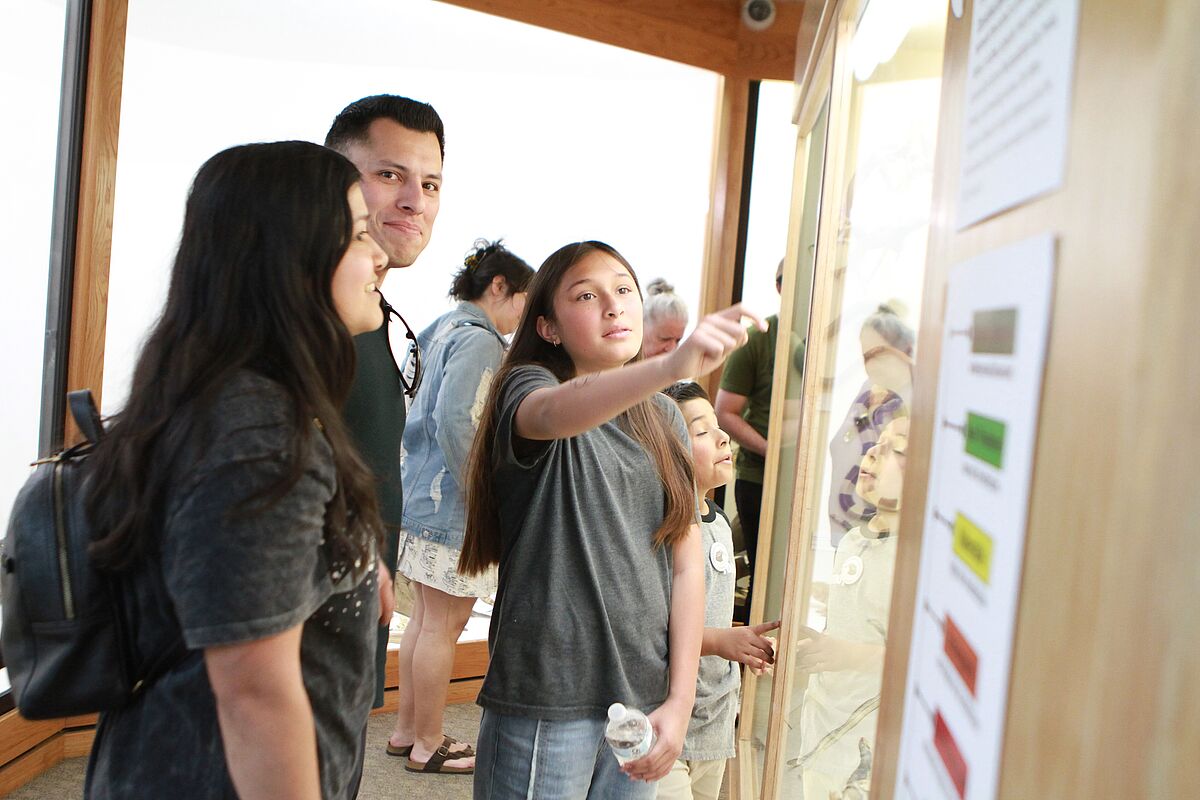
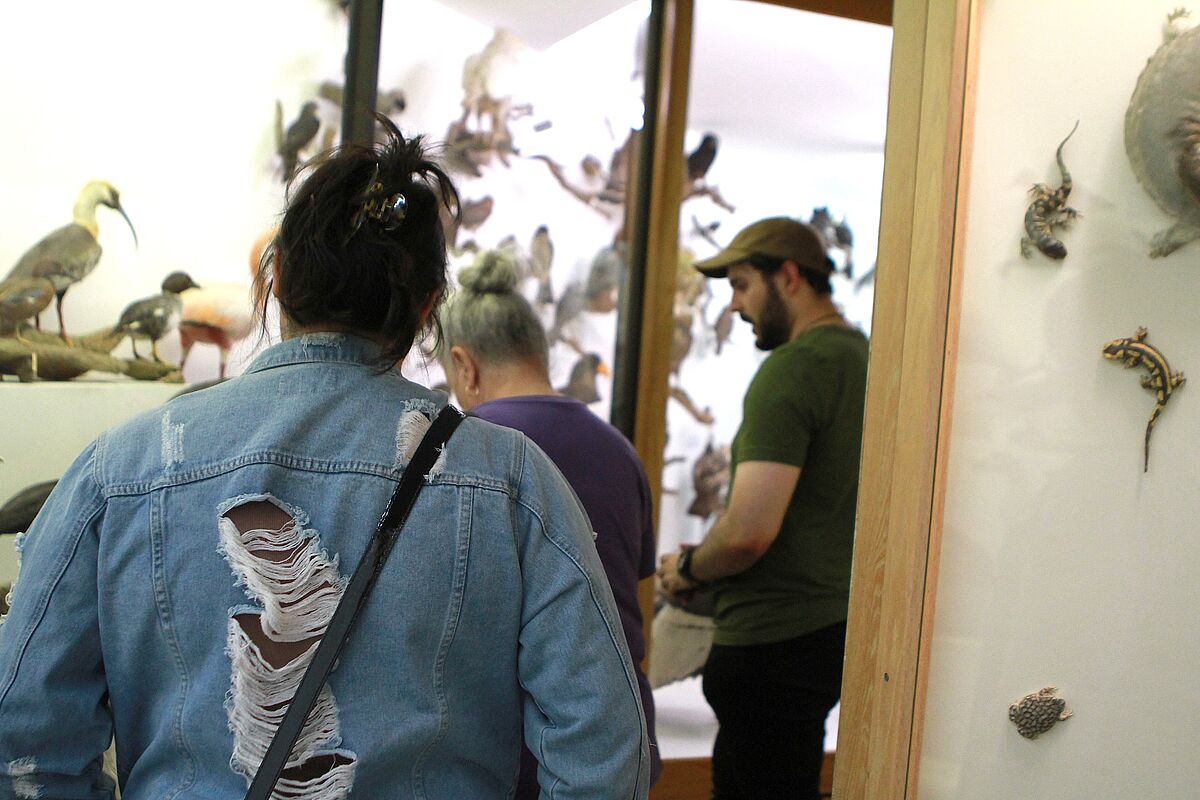
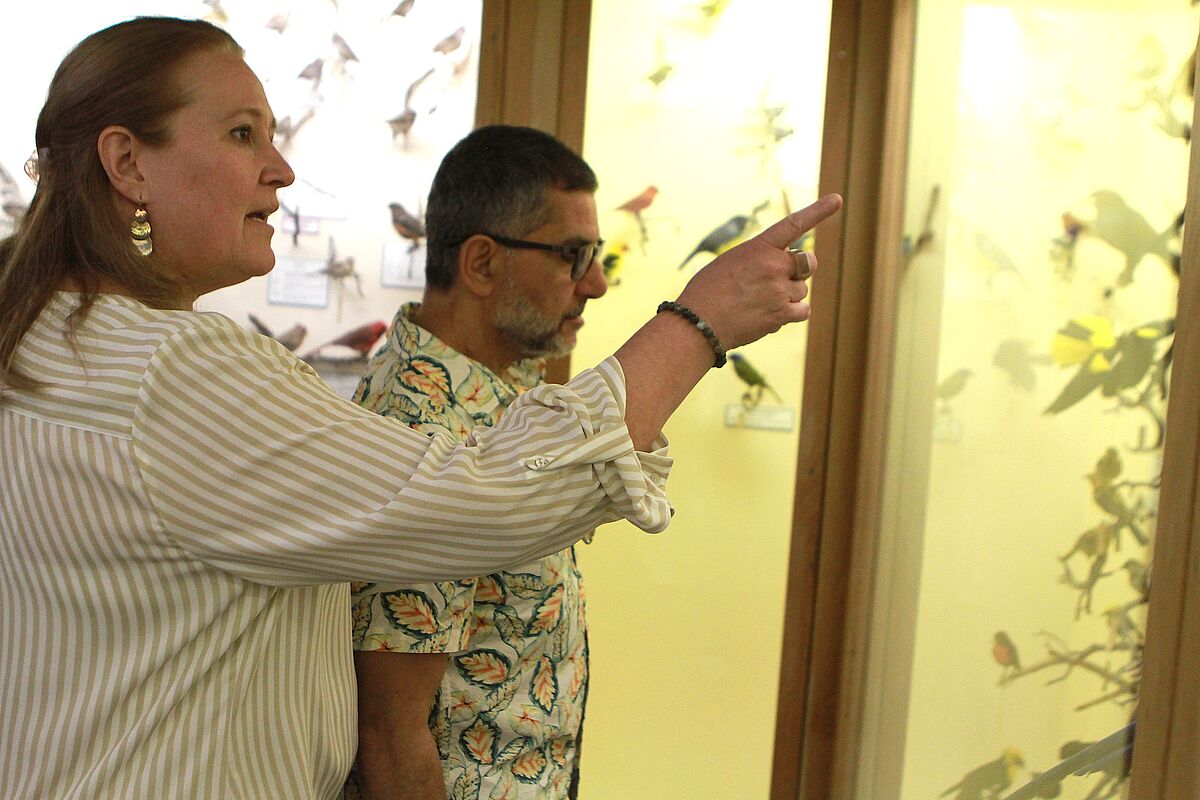
On March 14, Museum Curator and Acting Director Lindi Montes and the museum’s staff hosted a lively anniversary celebration marking 55 years since the museum’s founding. Nearly 200 visitors traveled from near and far to attend the festivities which included a live reptile exhibit, games, crafts, free food, and more. According to Montes, the turnout far exceeded her expectations.
What warmed her heart most, she said, was seeing adults and children linger in the museum long after the planned activities had ended. As the celebration ended, museum founder Dr. Billy Hankins affirmed her efforts with a simple but meaningful comment––“We should do this more often.”
Founded on March 14, 1971 by Hankins, the La Sierra University World Museum of Natural History has been a storied fixture on the La Sierra campus. A board-certified dermatologist and graduate of both La Sierra University and Loma Linda University, Hankins discovered his true passion during his years serving in the U.S. Army in Thailand.
Though a physician by profession, Hankins has long said that his deepest passion lies in natural history and in the preservation and display of its treasures. After completing his military service in Southeast Asia, he returned to the United States with more than 150 crates of animal specimens collected during his time abroad. When the U.S. Fish & Wildlife Service informed him that such a collection could only be permanently housed through an accredited university or recognized nonprofit, a fruitful partnership with La Sierra University began.
The museum started modestly as a hallway exhibit in Palmer Hall. Over time, however, the collection expanded so substantially that a custom-built space became necessary. In 1989, the museum moved into Cossentine Hall, where it remains today.
The museum is once again facing the need for expansion. Its collection has grown so vast that only about 25 - 30% of its holdings can be displayed at any one time in the current facility. Thanks to Hankins’ tireless passion for natural history, coupled with La Sierra University’s willingness to support his vision, the museum now boasts one of the most impressive university natural history collections in the country.
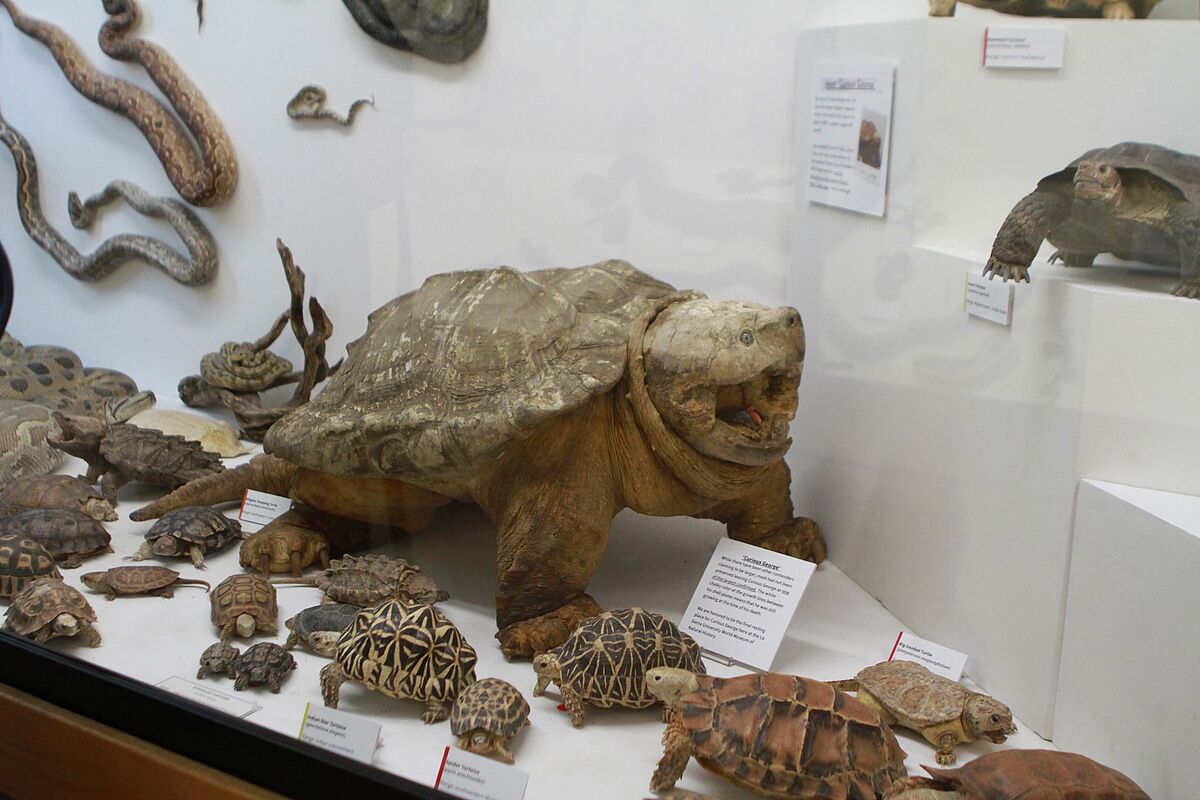
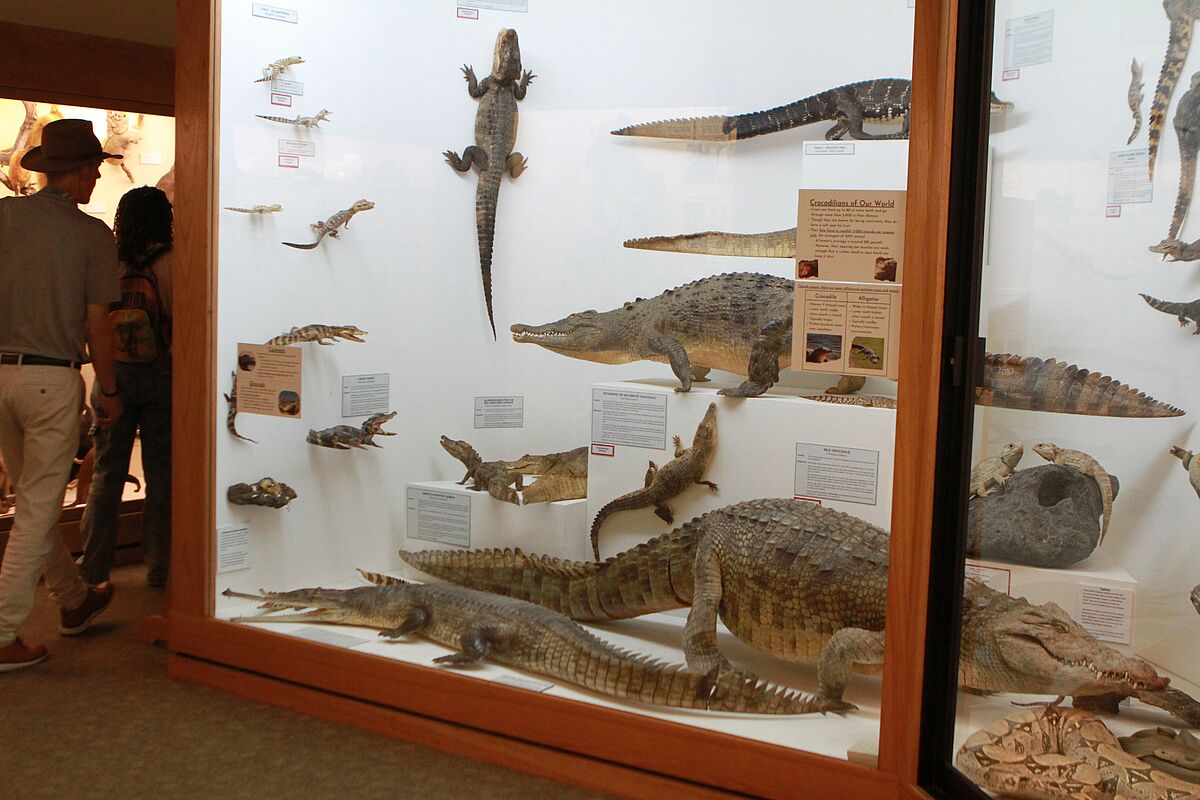
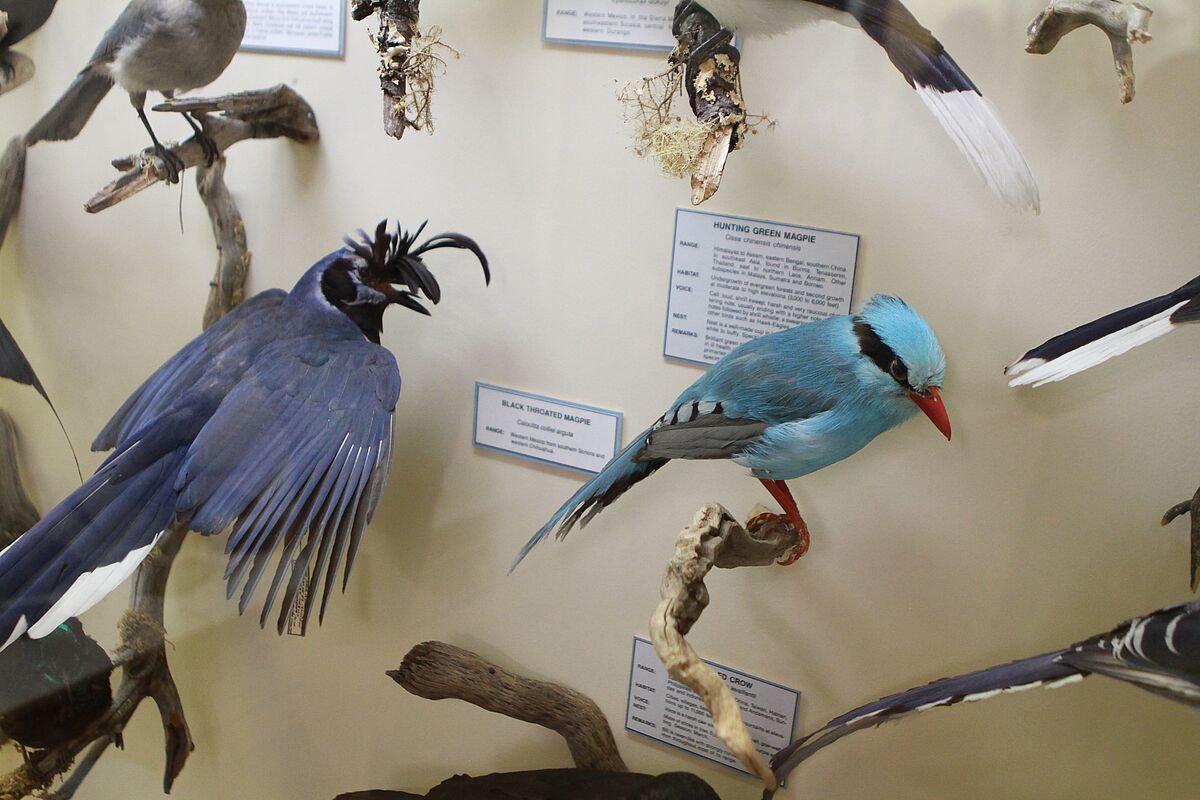
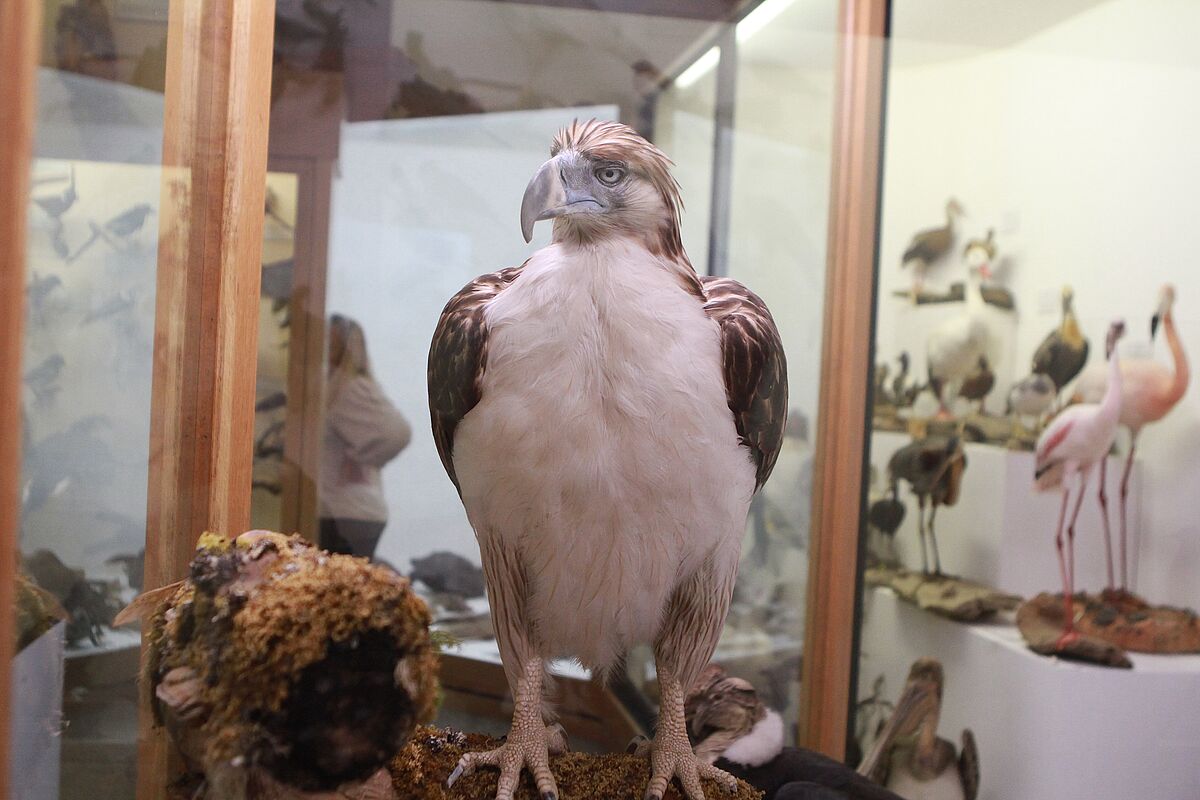
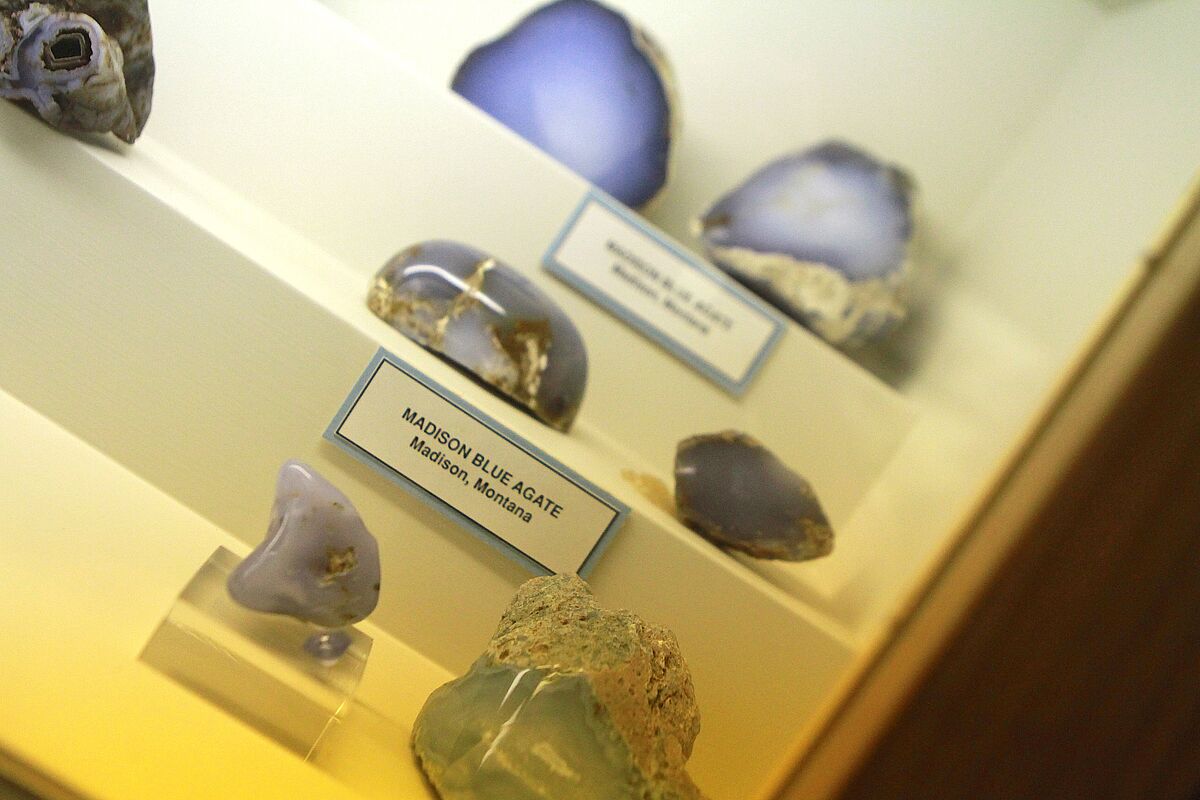
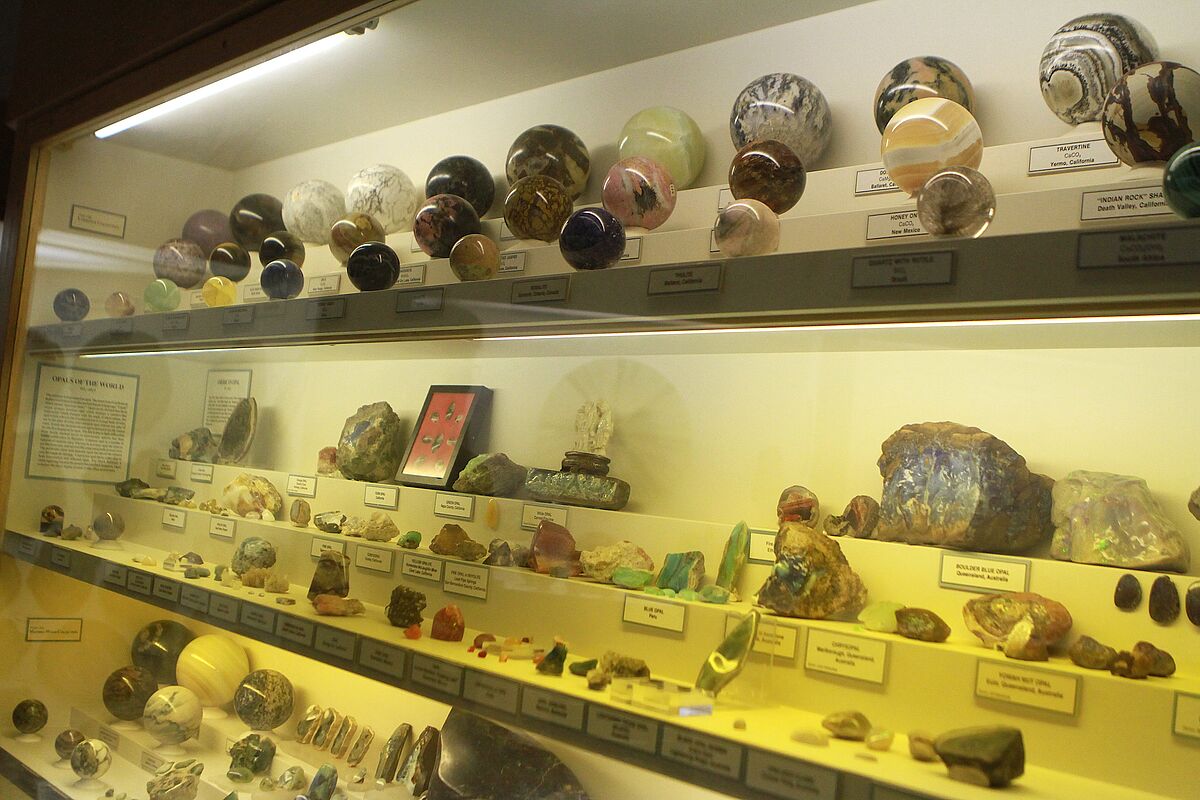
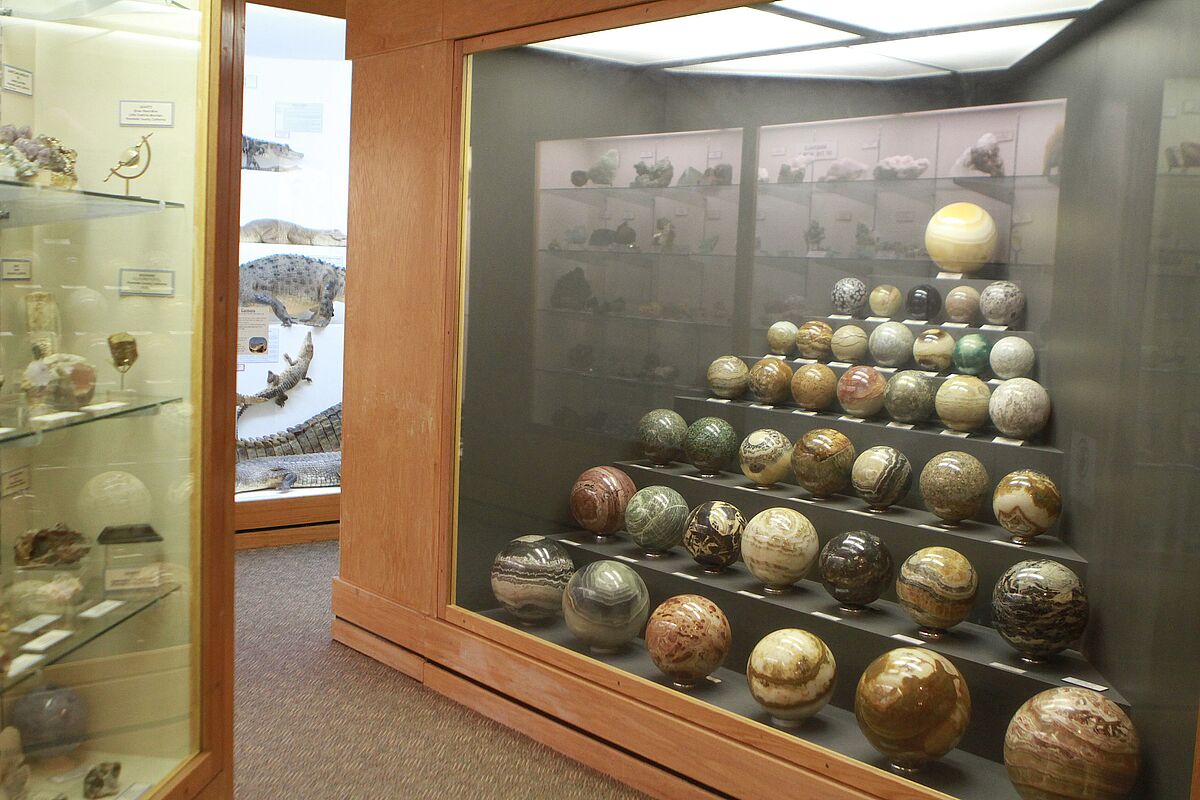
In 2016, Best College Reviews ranked it among the top 30 university natural history museums in the nation. Animals representing a wide range of species, along with one of the world’s largest collections of mineral spheres, fossils, and other specimens, fill the museum’s display cases. Its Southeast Asian bird display is the largest of its kind in the United States.
Despite its many successes, the museum’s journey has not been without challenges. Montes noted that throughout its history, the museum has experienced periods of both flourishing activity and closure, often tied to inconsistent funding and fluctuating levels of public and institutional interest. It is precisely this history of uncertainty that fuels her passion for helping usher in a more stable and promising future.
Montes’ love for museums began at a young age. As she grew older, that fascination developed into a professional calling, leading her to study museum studies at San Francisco State University. There, her interest in museum work deepened into something more profound. Through hands-on experience in collections work, she immersed herself in the wonder and intrigue of natural history and developed a lasting desire to share that excitement with others. Although she began with public programming as a way of fostering that enthusiasm, she ultimately felt drawn back to collections work itself, returning to the specimens that first inspired her love for the field.
Montes initially worked at the La Sierra University World Museum of Natural History as a collections specialist for three years. After a brief hiatus, she returned this year as the museum’s full-time acting director and curator. Her return coincided with renewed funding that allowed the museum to reopen after being closed in previous years. In her current role, Montes oversees a wide range of responsibilities, from caring for collections and updating exhibits to planning programs and organizing events such as the recent anniversary celebration.
She also spends considerable time exploring ways to strengthen engagement with both students and the broader community. Among the possibilities she is developing are free museum tours, a potential internship or docent program, and dynamic programming designed to showcase the museum’s unique appeal. Montes hopes that the recent resurgence of support will continue to build momentum by raising the museum’s visibility both on campus and beyond. She said she “wants more people to know the museum exists and understand how special it is.”
Yet beyond the daily work of maintaining storage areas, preserving specimens, and preparing new displays lies a deeper mission. Montes is committed to helping people connect with the museum on a personal level by making it more visible, more accessible, and more inviting. She wants visitors to understand that the museum is far more than an exhibit, she says. She wants them to know it as a place where people can encounter genuine fascination, enjoyment, inspiration, and wonder.
Hankins first opened the museum’s doors in 1971. The space was created, he said, as a “biological archive, a place to collect, preserve, and study real examples of wildlife before they disappear and to document those that already have.”
Montes now carries that same vision forward. In step with the museum’s founder’s original purpose, she is dedicated to using the museum as a vehicle for inspiring in others the same awe, delight, and reverence for natural history that have long animated both her and Hankins. With continued support and funding, she says she hopes the museum will one day expand, modernize, and fully realize its potential, allowing the breadth of its extraordinary collection to be displayed in full.


Dr. Billy Hankins, taxidermist and founder of the World Museum of Natural History, attends the museum's 55th anniversary in March.

Lindi Montes, left, museum curator and acting director of the World Museum of Natural History, organized its 55th anniversary celebration featuring museum tours, a live reptile exhibit, crafts and archaeological activities.

Get instant answers!

Visit
Get to know
our campus
Programs
Find the right
career path
Financial Aid
Make college
affordable
Parents
Stay connected with your student throughout their La Sierra journey with our Roadmap to College.
 Loading interest form...