
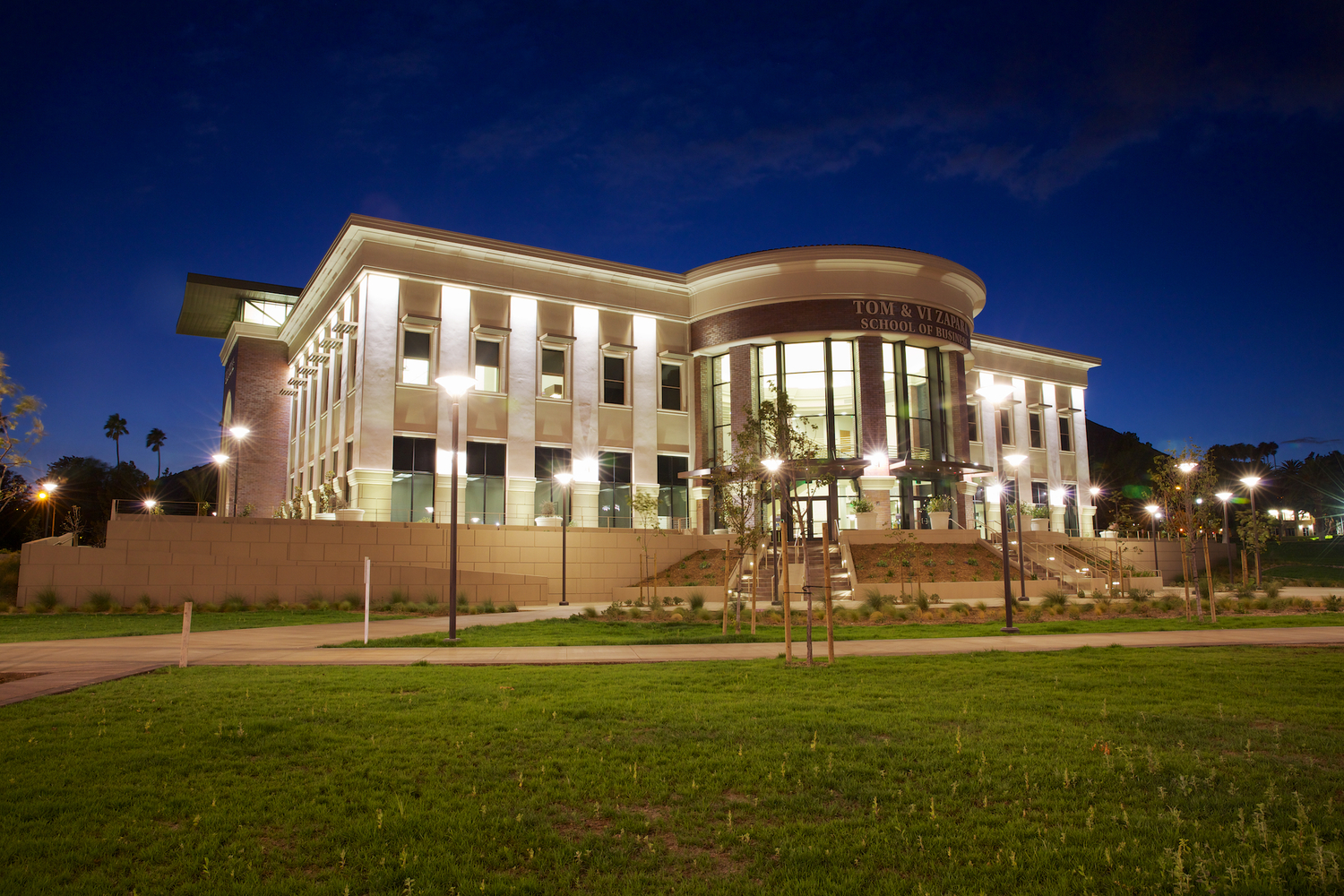
Excellence
Our Social Work program stands out for its professional standards, Christian-inclusive perspective, and commitment to service. Designed for transfer students coming from community college and high school seniors planning their future, you’ll learn ethical practice, cultural competency, policy engagement, and community advocacy. The curriculum supports working adults with flexible options while upholding rigorous academic expectations that prepare you for careers and graduate study.
Mission Statement
The mission of La Sierra University’s Social Work Program is to prepare ethical and competent generalist practitioners who demonstrate the knowledge, values, ethics, and skills of the social work profession.
Accredited by the Council of Social Work Education since 1979, quality education is provided through a foundation of mentoring and nurturing professional growth in learners of all ages within a Christian perspective. This perspective values and embraces diversity while actively serving individuals, families, groups, communities and organizations through service learning and internship opportunities.
Social Work Goals
- Prepare students with the knowledge, values, ethics, and skills in generalist social work practice for working with individuals, families, groups, communities and organizations.
- Infuse throughout the curricula the appreciation and respect for all aspects of diversity.
- Facilitate the growth of students through academic advising, mentoring, and professional development.
- Offer curricula in a way that provides accessibility to working students.
- Prepare students for entry-level professional practice, continued advanced education, and lifelong learning.
- Prepare students to embrace a commitment to community service.
- Equip students to recognize the impact spirituality can have on professional practice.
Learning Outcomes
Upon completion of program students will be able to demonstrate the following competencies:
- Demonstrate ethical and professional behavior
- Advance human rights and social, racial, economic, and environmental justice
- Engage in anti-racism, diversity, equity, and inclusion (ADEI) in practice
- Engage in practice-informed research and research-informed practice
- Engage in policy practice
- Engage with individuals, families, groups, organizations, and communities
- Assess individuals, families, groups, organizations, and communities
- Intervene with individuals, families, groups, organizations, and communities
- Evaluate practice with individuals, families, groups, organizations, and communities
- Integrate spiritual and religious beliefs in social work practice
- Participate in service-learning activities in response to community needs
Student Learning Outcomes Report
Social work programs accredited by the Council on Social Work Education (CSWE) are committed to transparency in student learning outcomes. Each of the core competencies — the foundational knowledge, values, and skills expected of every professional social worker — is assessed through a minimum of two instruments: a Field Practicum Year-End Evaluation and a course-based academic assessment. A benchmark of 80% serves as the expected level of achievement, and outcome data is collected annually and posted publicly as part of the program's commitment to accountability and continuous improvement.
Summary Of Assessment Measures
Department Of Social Work 2025
| Assessment Measure #1: (End Of The Year Field Evaluation) | |
| Dimension(s) assessed: Skills, Cognitive/Affective Processes, Knowledge, Values | Skills Cognitive/Affective Knowledge Values |
| When/where students are assessed: | End of Senior Year/ Field Placement |
| Who assessed student competence: | Field Instructor / Field Director |
| Outcome Measure Benchmark (minimum score indicative of achievement) for Competencies 1-10: | 3 out of 5 |
| Competency Benchmark (percent of students the program expects to have achieved the minimum scores, inclusive of all measures) for Competencies 1-10: | 80% |
| Assessment Measure #2: (Senior Comprehensive Exams) | |
| Dimension(s) assessed: Skills, Cognitive/Affective Processes, Knowledge, Values | Skills Cognitive/Affective Knowledge Values |
| When/where students are assessed: | End of Senior Year / Final Comprehensive Exam |
| Who assessed student competence: | Social Work Faculty and External Evaluators |
| Outcome Measure Benchmark (minimum score indicative of achievement) for Competencies 1, 2, 5, 6, 7, 8, 9: | 3 out of 5 |
| Competency Benchmark (percent of students the program expects to have achieved the minimum scores, inclusive of all measures) for Competencies 1, 2, 5, 6, 7, 8, 9: | 80% |
| Assessment Measure #3: (Poverty Simulation) | |
| Dimension(s) assessed: Skills, Cognitive/Affective Processes, Knowledge, Values | Skills Cognitive/Affective Knowledge Values |
| When/where students are assessed: | SOWK 316: Critical Reflection Assignment |
| Who assessed student competence: | SOWK 316 Course Instructor |
| Outcome Measure Benchmark (minimum score indicative of achievement) for Competency 3: | 73% |
| Competency Benchmark (percent of students the program expects to have achieved the minimum scores, inclusive of all measures) for Competency 3: | 80% |
| Assessment Measure #4: (Research Activities) | |
| Dimension(s) assessed: Skills, Cognitive/Affective Processes, Knowledge, Values | Skills Cognitive/Affective Knowledge Values |
| When/where students are assessed: | SOWK 348: Research Critiques / Article Reviews |
| Who assessed student competence: | SOWK 348 Course Instructor |
| Outcome Measure Benchmark (minimum score indicative of achievement) for Competency 4: | 73% |
| Competency Benchmark (percent of students the program expects to have achieved the minimum scores, inclusive of all measures) for Competency 4: | 80% |
| Assessment Measure #5: (Spirituality Assignment) | |
| Dimension(s) assessed: Skills, Cognitive/Affective Processes, Knowledge, Values | Skills Cognitive/Affective Knowledge Values |
| When/where students are assessed: | SOWK 215: Spiritual Identity & Religious Beliefs Critical Reflection |
| Who assessed student competence: | SOWK 215 Course Instructor |
| Outcome Measure Benchmark (minimum score indicative of achievement) for Competency 10: | 73% |
| Competency Benchmark (percent of students the program expects to have achieved the minimum scores, inclusive of all measures) for Competency 10: | 80% |
| Assessment Measure #6: (Service Learning Activities) | |
| Dimension(s) assessed: Skills, Cognitive/Affective Processes, Knowledge, Values | Skills Cognitive/Affective Knowledge Values |
| When/where students are assessed: | SOWK 405: Lobby Days Attendance SOWK 405: Lobby Days Critical Reflection |
| Who assessed student competence: | SOWK 405 Course Instructors and Service Learning Department |
| Outcome Measure Benchmark (minimum score indicative of achievement) for Competencies 1-10: | 73% |
| Competency Benchmark (percent of students the program expects to have achieved the minimum scores, inclusive of all measures) for Competencies 1-10: | 80% |
Assessment of Student Learning Outcomes
La Sierra University Baccalaureate Social Work Program
| Competency | Competency Benchmark | Percentage of Students Achieving Benchmark (n=8) |
|---|---|---|
| Competency 1: Demonstrate Ethical and Professional Behavior | 80% | 98% |
| Competency 2: Advance Human Rights and Social, Racial, Economic, and Environmental Justice | 80% | 96% |
| Competency 3: Engage Anti-Racism, Diversity, Equity, and Inclusion (ADEI) in Practice | 80% | 94% |
| Competency 4: Engage In Practice-informed Research and Research-informed Practice | 80% | 92.5% |
| Competency 5: Engage in Policy Practice | 80% | 94.5% |
| Competency 6: Engage with Individuals, Families, Groups, Organizations, and Communities | 80% | 100% |
| Competency 7: Assess Individuals, Families, Groups, Organizations, and Communities | 80% | 97.5% |
| Competency 8: Intervene with Individuals, Families, Groups, Organizations, and Communities | 80% | 91.5% |
| Competency 9: Evaluate Practice with Individuals, Families, Groups, Organizations, and Communities | 80% | 94% |
| Competency 10: Integrate Spiritual and Religious Beliefs in Social Practice | 80% | 93% |
| Competency 11: Engage in Service-Learning Activities within the Community to Identify Needs. | 80% | 94% |
Last completed on September 1, 2025
Get instant answers!

 Loading interest form...